

Introduction – Cottage Cheese Indian Food (Paneer Guide)
Cottage cheese Indian food is loved worldwide for its rich flavor, versatility, and high-protein goodness. Known in India as paneer, this soft, non-melting cheese is a staple in countless dishes — from creamy Paneer Butter Masala to grilled Paneer Tikka.
Unlike Western cottage cheese, which is loose and salty, paneer is firm, fresh, and perfect for cooking in curries. It’s simple to make at home with milk and lemon juice, offering a preservative-free and budget-friendly option for healthy eating.
Packed with protein, calcium, and good fats, Indian cottage cheese supports strong muscles and bones, making it ideal for vegetarian and fitness-focused diets.
Whether you’re new to Indian cooking or refining your favorite recipes, this guide to cottage cheese Indian food will show you what paneer is, how to make it, and how to use it in both traditional and modern dishes.
Learn more about healthy meal inspiration in our Healthy Holiday Snacks before diving in.
table of contents
Table of Contents
What Is Indian Cottage Cheese (Paneer)?
The Meaning and Origin of Paneer
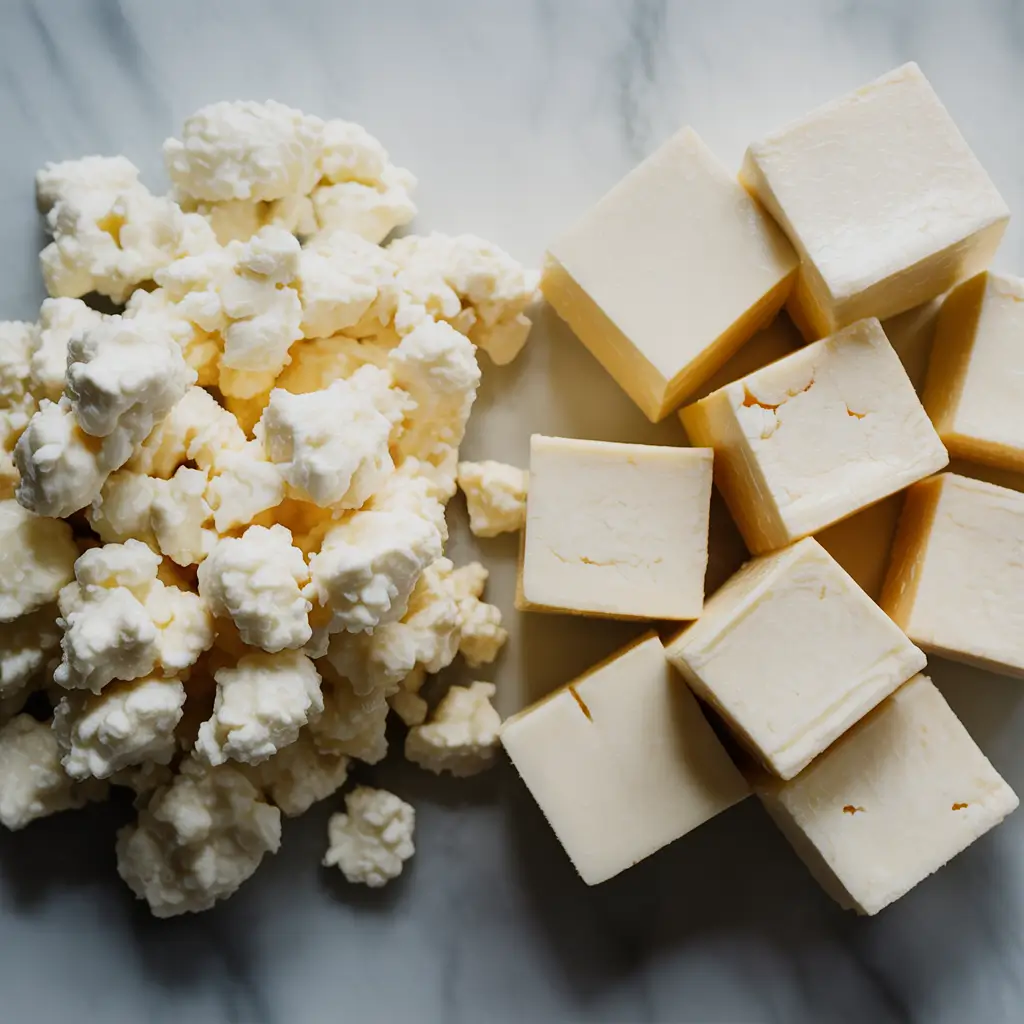
When people talk about cottage cheese Indian food, they’re usually referring to paneer — a fresh, non-aged cheese that has been part of Indian cuisine for centuries. The word paneer comes from the Persian term peynir, which simply means cheese. It likely traveled to India through Persian and Mughal influences, becoming a culinary mainstay in North India. Over time, paneer spread across the subcontinent, adapting to regional tastes — from spicy Punjabi gravies to mild Bengali sweets.
Why Paneer Is Called “Indian Cottage Cheese”
Westerners often describe paneer as Indian cottage cheese, but the two differ in both texture and preparation. Cottage cheese is fermented and soft, while paneer is curdled with acid and pressed into a firm, sliceable block. This firmness allows it to be grilled, fried, or simmered without melting — ideal for Indian curries and snacks. Unlike Western cottage cheese, paneer is unsalted and made fresh daily, giving it a clean, milky flavor that pairs perfectly with spices.
Paneer vs Cottage Cheese – Key Differences
| Feature | Paneer (Indian Cottage Cheese) | Western Cottage Cheese |
|---|---|---|
| Texture | Firm, pressed | Creamy, loose |
| Taste | Mild, fresh | Slightly tangy |
| Use | Curries, snacks, grilling | Salads, dips, breakfast |
Paneer stands out as the foundation of countless cottage cheese Indian food recipes, offering nutrition, flavor, and endless versatility.
Why You Should Make Paneer at Home
Benefits of Homemade Paneer
If you love experimenting with cottage cheese Indian food, making paneer at home is one of the easiest and most rewarding kitchen skills to master. Homemade paneer is fresher, softer, and free from preservatives often found in store-bought versions. You can control its texture — soft for creamy curries or firm for grilling — simply by adjusting how long you press it. Plus, it’s budget-friendly and requires just two ingredients: whole milk and an acid like lemon juice or vinegar.
Homemade paneer also delivers unbeatable flavor. Because it’s made fresh, it absorbs spices and sauces beautifully, giving every dish an authentic Indian touch. Store-bought versions often taste bland or rubbery, but homemade paneer melts in your mouth with a mild, milky sweetness.
Store-Bought vs. Homemade Paneer
When comparing store-bought and homemade paneer, the difference is clear. Homemade paneer has a cleaner taste, softer texture, and higher moisture content, while packaged paneer is usually firmer and lasts longer. For health-conscious cooks, fresh paneer is a smarter choice — it contains no additives, just pure dairy goodness.
If you enjoy preparing wholesome foods from scratch, you’ll appreciate this too: learn more about nutritious, preservative-free ideas in our Healthy Holiday Snacks — a perfect companion to your next homemade paneer meal.
How to Make Paneer Step by Step
Ingredients You’ll Need
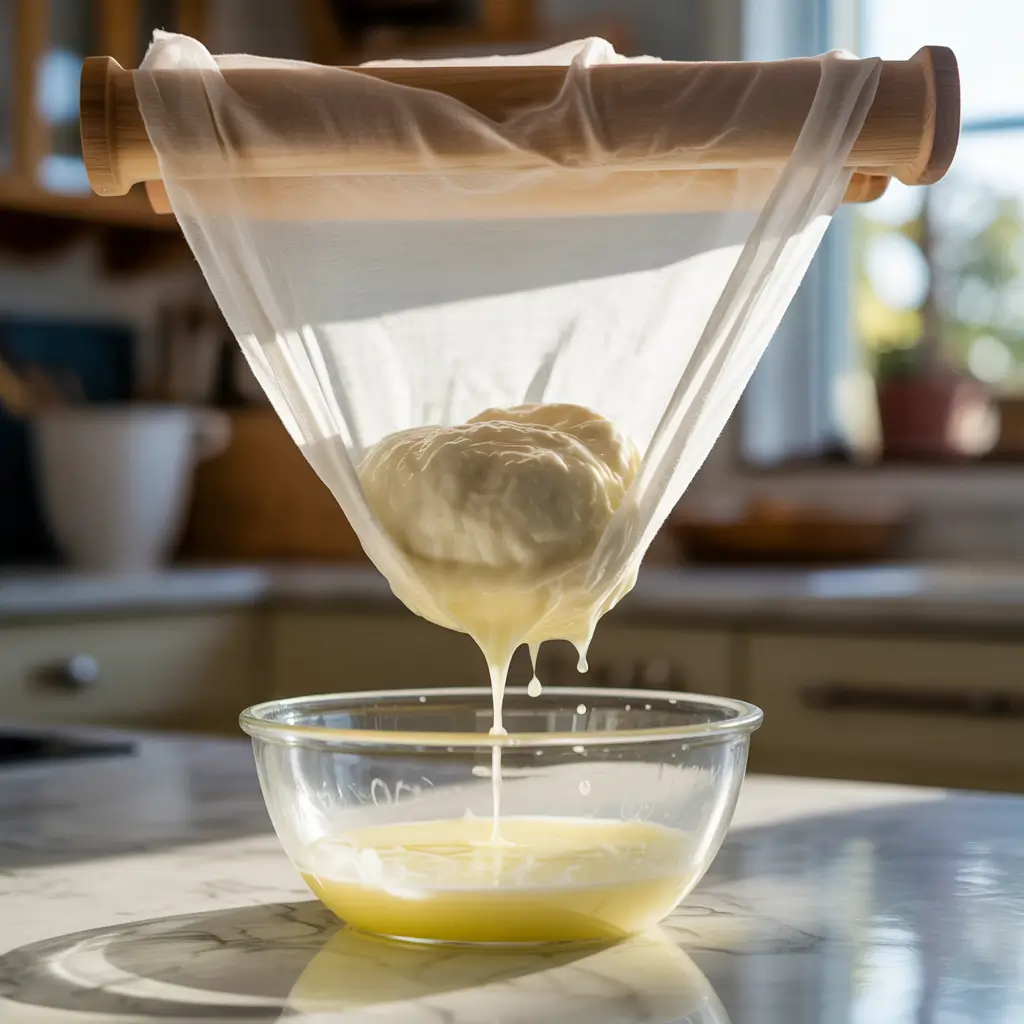
Making paneer — the star of cottage cheese Indian food — requires only a few simple ingredients you likely already have in your kitchen. All you need is one liter of full-fat milk, two tablespoons of lemon juice or white vinegar, and a strainer lined with cheesecloth. For an aromatic twist, some cooks add a pinch of turmeric, crushed mint, or even herbs during the curdling stage.
Step-by-Step Process
- Boil the milk – Pour milk into a heavy-bottomed pot and bring it to a gentle boil. Stir occasionally to prevent scorching.
- Add acid and curdle – Reduce heat and add lemon juice or vinegar slowly. Stir until the milk curdles and separates into curds and whey.
- Strain and press – Pour the mixture through a cheesecloth, rinse with cold water to remove acidity, then gather and press it under a weight for 30–40 minutes.
- Shape and chill – Once firm, unwrap and cut into cubes. Your homemade paneer is ready.
Expert Tip
The whey water left behind is rich in nutrients — perfect for kneading dough or blending into smoothies. This zero-waste method aligns with sustainable cooking trends embraced by chefs worldwide.
For more traditional kitchen inspiration, discover authentic Indian food ideas on HighTasty.com — a great resource for global home cooks exploring flavor-packed, healthy recipes.
Paneer, Cottage Cheese, or Tofu – Which One Should You Use?
When cooking cottage cheese Indian food, it’s easy to wonder whether you can use regular cottage cheese or tofu instead of paneer. While these ingredients may look similar, their taste, texture, and cooking behavior are quite different — and understanding those differences can transform your dishes.
When to Substitute and When Not To
Paneer holds its shape when fried or simmered, making it ideal for curries like Palak Paneer or Paneer Butter Masala. Cottage cheese, however, has a soft, lumpy texture and higher moisture content. It’s better suited for cold dishes such as salads, dips, or desserts. If you’re looking for a vegan alternative, tofu works well — though it lacks paneer’s creamy richness, it absorbs sauces beautifully when marinated.
Vegan or Low-Fat Variations
Health-conscious eaters can try “tofu paneer” or almond-based cheese. Both mimic paneer’s mild flavor and pair well with Indian spices. You can even use skim milk for a lighter paneer that’s still high in protein.
Flavor Pairing Tips
Paneer’s neutral taste makes it a perfect partner for bold Indian flavors — cumin, coriander, turmeric, and fenugreek add depth, while fresh herbs like mint or cilantro bring brightness.
If you love balancing flavors, check out our Fruit for Snacks — a refreshing complement to your next spicy paneer curry.
Delicious Ways to Use Paneer
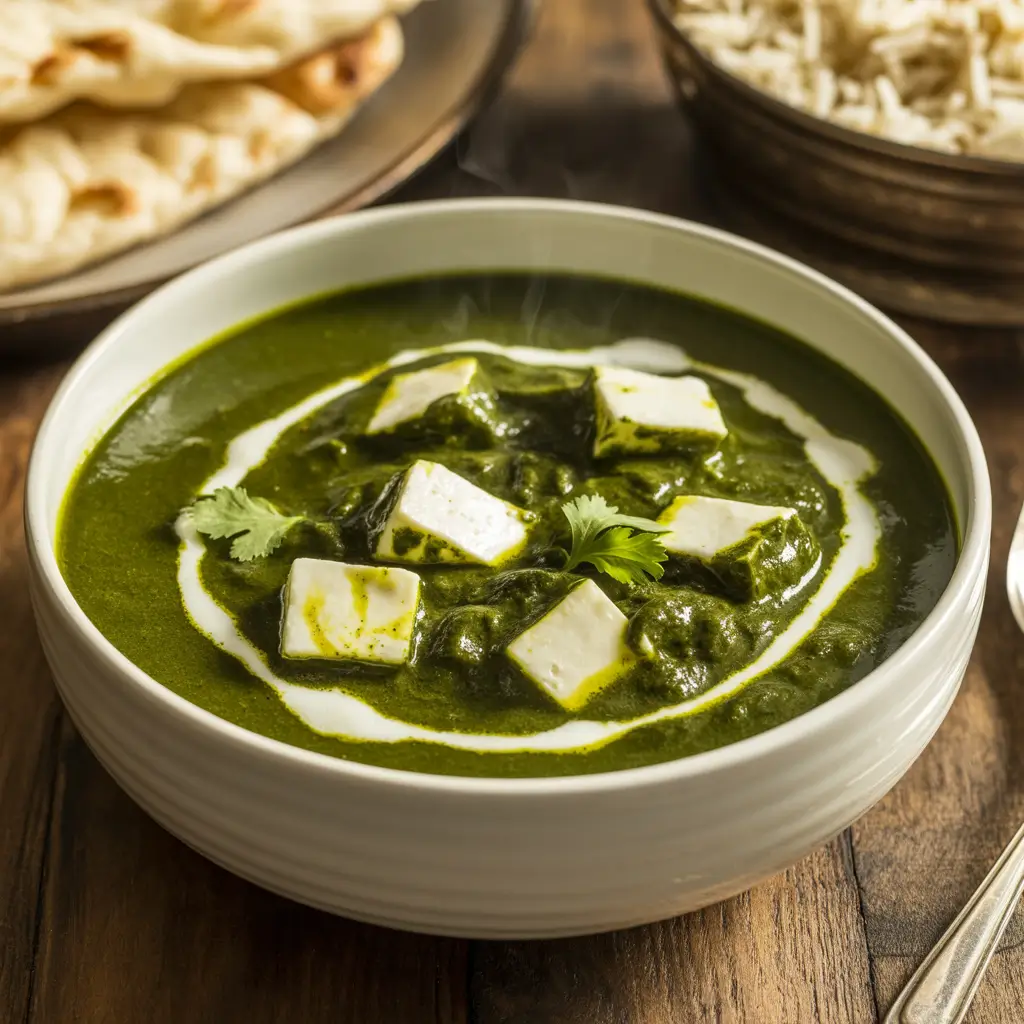
Paneer is at the heart of casein protein , offering incredible versatility for cooks of every skill level. Whether you’re craving rich curries, crispy snacks, or fusion meals, paneer adapts beautifully to any recipe while keeping its mild, creamy flavor.
Classic Indian Recipes
Start with timeless favorites like Palak Paneer (spinach and cottage cheese curry), Paneer Butter Masala, and Matar Paneer (peas and paneer in tomato gravy). Each showcases paneer’s ability to absorb spices while maintaining its firm texture. If you enjoy restaurant-style comfort food, Shahi Paneer is a must-try — silky, aromatic, and perfect with naan or rice.
Quick Snacks & Street-Style Favorites
For something fast and flavorful, try Paneer Tikka, Paneer Pakora, or Chili Paneer. These high-protein snacks are easy to make at home and satisfy any craving for bold Indian street food.
Fusion & Modern Ideas
Paneer’s mild taste also fits Western dishes. Toss cubes into salads, roll them in wraps, or mix them into pasta for a vegetarian twist. You can even top pizzas with lightly grilled paneer for a unique, protein-rich topping.
If you love experimenting with flavors, discover creative pairings in our Mott Fruit Snack article — it’s a fun way to balance spicy paneer dishes with something naturally sweet.
Paneer Nutrition & Health Benefits
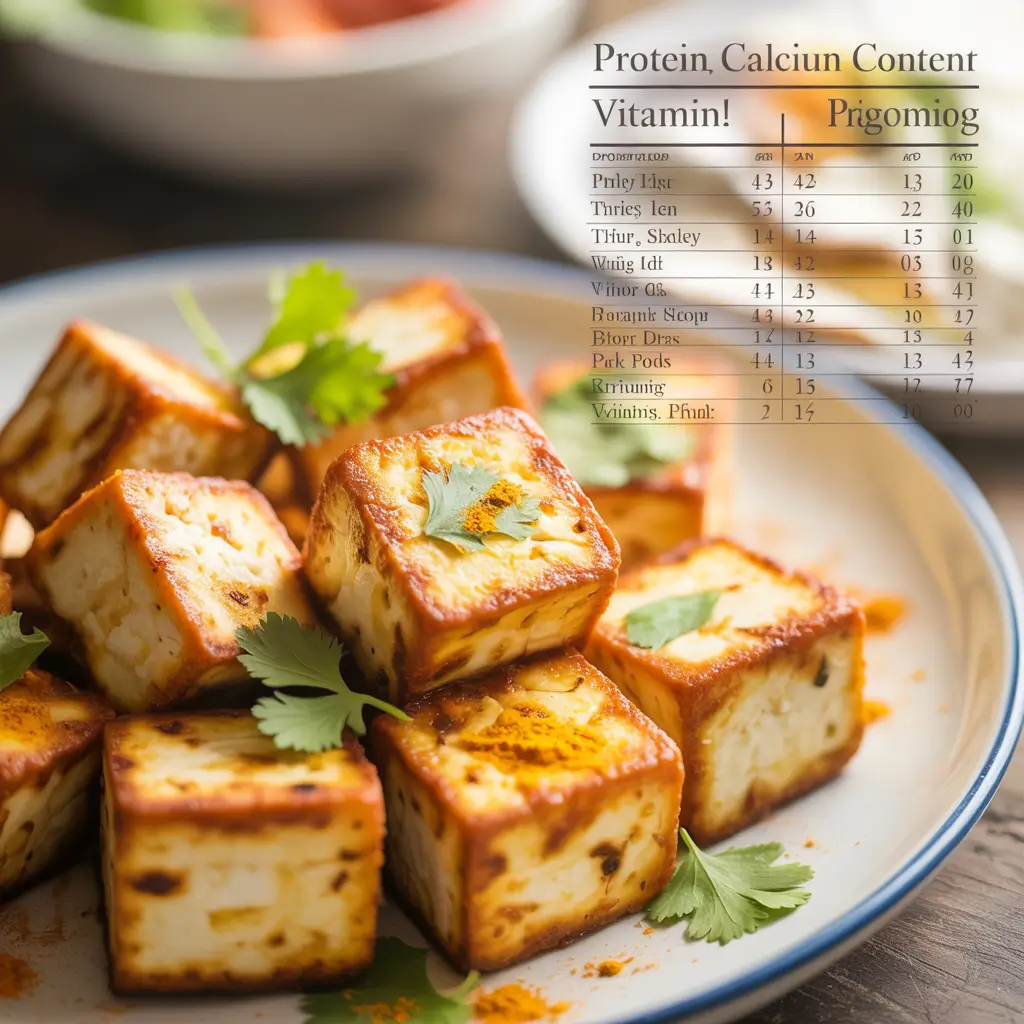
Paneer, the protein-rich heart of cottage cheese Indian food, isn’t just delicious — it’s incredibly nutritious. This Indian cottage cheese provides essential nutrients that support energy, muscle growth, and overall wellness, making it a perfect addition to vegetarian and high-protein diets.
Nutrition Breakdown (Per 100g Serving)
| Nutrient | Paneer (Indian Cottage Cheese) | Cottage Cheese | Tofu |
|---|---|---|---|
| Calories | 265 kcal | 98 kcal | 76 kcal |
| Protein | 18g | 11g | 8g |
| Fat | 21g | 4g | 4g |
| Calcium | 200mg | 80mg | 350mg |
Paneer is rich in casein protein, a slow-digesting protein that supports muscle repair and helps maintain satiety. It’s also a great source of calcium and phosphorus, which strengthen bones and teeth. Unlike processed cheese, paneer contains no preservatives or artificial additives — only pure, curdled milk.
Health Benefits
Regularly adding paneer to your diet can help with weight management, reduce sugar cravings, and provide steady energy. It’s naturally low in carbs, making it keto- and diabetic-friendly. For fitness enthusiasts, paneer is a fantastic post-workout food when paired with whole grains or fresh fruit.
If you’re interested in combining nutrition with flavor, learn more about healthy snack options in our Black Panther Fruit Snacks — a fun, nourishing complement to your next paneer meal.
my first and personnalised gpt said:
Frequently Asked Questions (FAQ)
Below are answers to some common queries about using paneer in the context of cottage cheese Indian food, each backed by credible sources.
Q1: What is Indian cottage cheese?
Indian cottage cheese refers to Paneer — a fresh, acid-set cheese made from cow or buffalo milk, formed by curdling with an acid (like lemon juice) and then pressing the curds. Wikipedia+1
Q2: What do Indians call cottage cheese?
In India, the cheese commonly referred to in Western contexts as “cottage cheese” is typically called paneer. The word “paneer” comes from Persian peynir, meaning cheese. Wikipedia
Q3: Are paneer and cottage cheese the same?
No — although the terms are sometimes used interchangeably in casual settings, paneer and Western-style cottage cheese differ in texture, moisture and use. Paneer is firm and pressed; Western cottage cheese is loose, creamy curds. Seasoned Advice+1
Q4: Can cottage cheese be used in curry?
If by “cottage cheese” you mean paneer, then absolutely — paneer is ideal in curries because it holds its shape and absorbs flavour. If you use standard Western cottage cheese, it will break down and become too soft for typical Indian curry textures. Spusht
Q5: How do you make Indian cottage cheese at home?
Making homemade paneer involves boiling whole milk, adding an acid like lemon juice or vinegar to curdle it, straining the curds in cheesecloth, pressing them into a block, then cutting into cubes. Ministry of Curry
Q6: What are the health benefits of Indian cottage cheese?
Paneer is a good source of slow-digesting casein protein, calcium and healthy fats. It supports muscle repair, bone health and is compatible with vegetarian high-protein diets. Nitha’s Kitchen
Final Thoughts
Paneer truly captures the essence of cottage cheese Indian food — wholesome, versatile, and satisfying. From creamy curries like Shahi Paneer to light snacks such as Paneer Tikka, this Indian cottage cheese remains a symbol of comfort and nourishment. Beyond its flavor, paneer’s biggest appeal lies in its simplicity: made from just milk and acid, yet rich enough to anchor both everyday meals and festive feasts.
Cooking with paneer also invites creativity. You can toss it into spicy gravies, mix it in salads, or even use it in fusion dishes like wraps and pizzas. Its neutral taste absorbs spices beautifully, allowing you to experiment without fear. Whether you’re vegetarian, health-conscious, or simply curious about Indian flavors, paneer offers a perfect balance between indulgence and nutrition.
At Zestolla, we encourage mindful cooking that celebrates authenticity and health. Making your own paneer connects you to India’s culinary roots while giving you control over freshness and quality. So, roll up your sleeves and give it a try — once you’ve tasted homemade paneer, you’ll never want the store-bought kind again.
Discover great ideas like our Pickle Cucumbers Dill to pair with Indian meals, or explore more inspiring global recipes on HighTasty.com.
And if you try this recipe, don’t forget to share your version on Facebook or tag @HighTasty on Pinterest — we’d love to see your creation!