
introduction
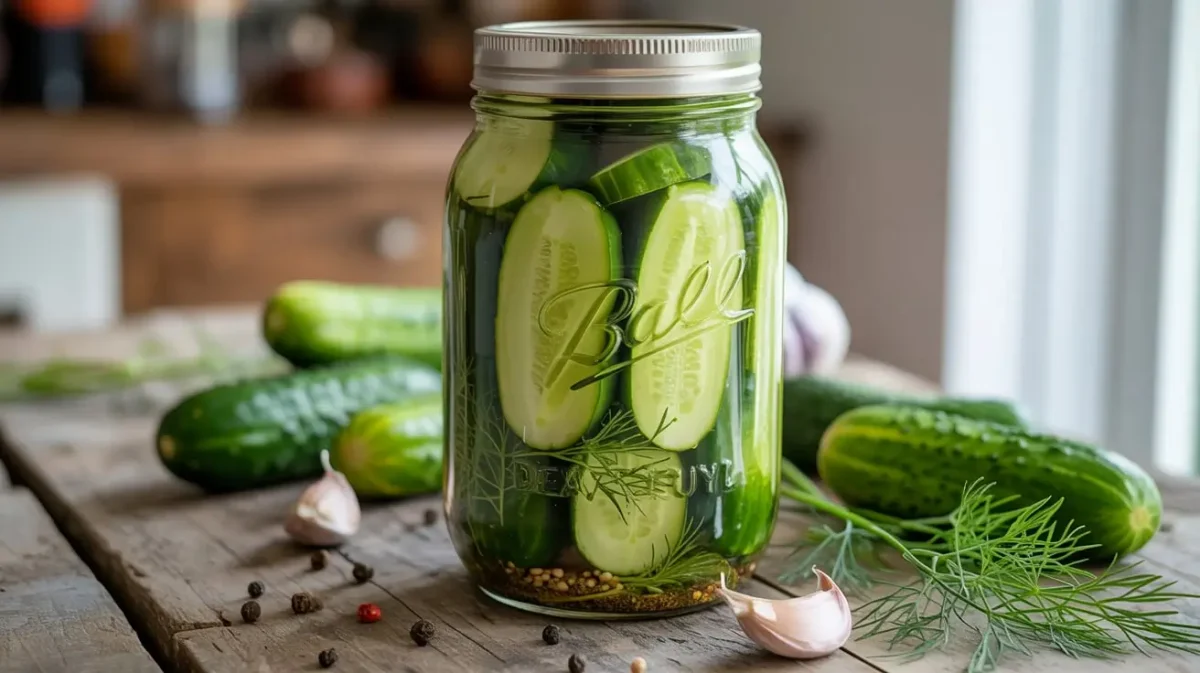
Pickle cucumbers dill — three words that capture the heart of every crisp, tangy bite you’ve ever loved in a perfect homemade pickle. Imagine twisting open a jar, hearing that gentle pop, and tasting the crunch that store-bought brands only dream about. That’s the magic of a homemade dill pickle — simple ingredients, natural fermentation, and a burst of fresh dill aroma that transforms ordinary cucumbers into something unforgettable.
Lately, dill pickles have taken over TikTok and Pinterest feeds — from “pickle crunch ASMR” videos to quick-brine trends that promise results in under 24 hours. But here’s the truth: real pickle perfection comes from understanding the balance of salt, vinegar, and dill, not shortcuts. When you pickle cucumbers yourself, you control everything — the brine’s acidity, the garlic kick, even how tangy or mellow you want each jar.
This recipe isn’t just about preservation — it’s about transformation. You’ll learn the exact 3-2-1 brine ratio, discover the science behind that addictive crunch, and master pro tips that keep your pickles crisp for months. Whether you’re a first-time home canner or a seasoned kitchen experimenter, this is the only dill pickle guide you’ll ever need.
Grab your cucumbers, a handful of dill, and a couple of mason jars — by the end of this, you’ll never look at store-bought pickles the same way again.
Looking for fruity snack pairings? Try our real fruit snacks for kids to balance your savory cravings with something naturally sweet.
table of contents
Table of Contents
The Science Behind Perfect Pickle Cucumbers Dill
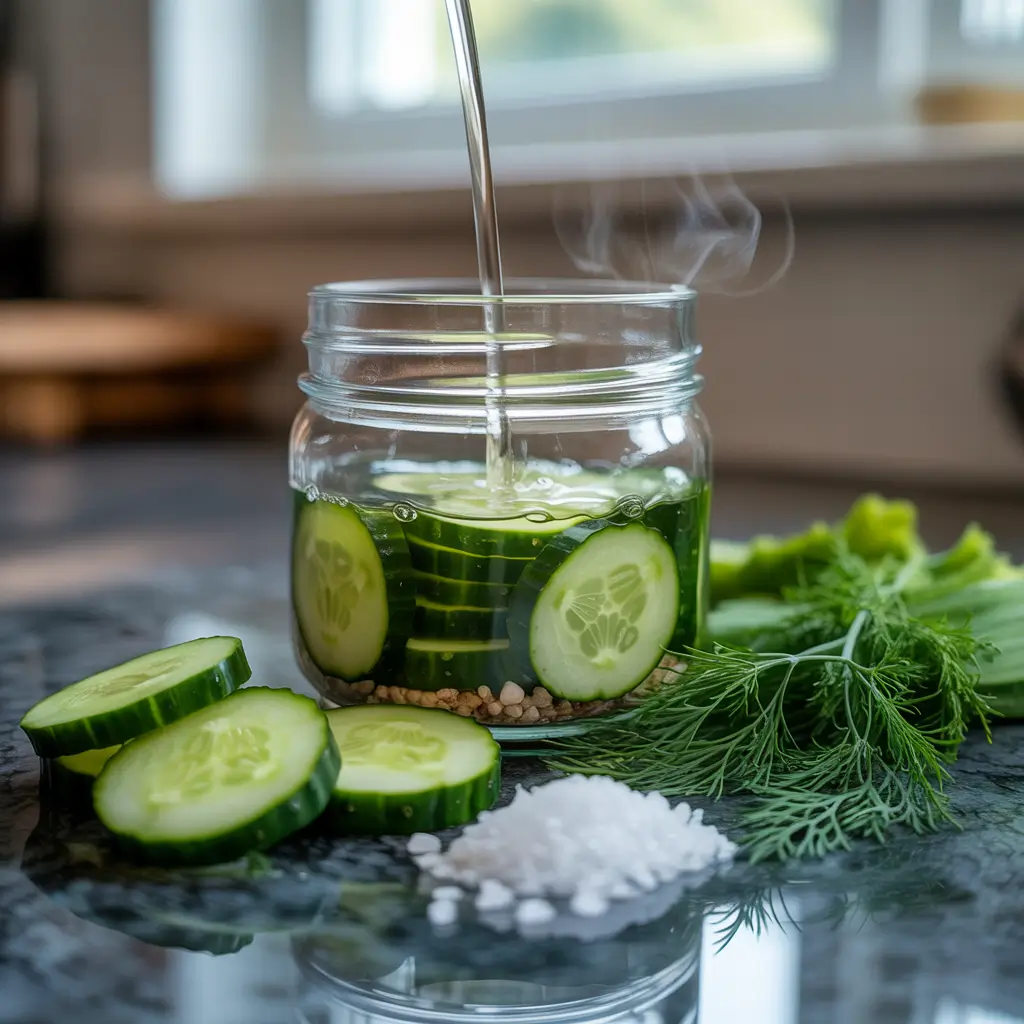
When you pickle cucumbers dill, you’re not just following a recipe — you’re creating a natural chemical reaction that transforms raw vegetables into crisp, tangy delights. Understanding this process helps you master the art of perfect pickling every single time.
Osmosis: The Secret to Crunchy Texture
Osmosis is what makes your pickles firm and snappy. When cucumbers are submerged in brine, water inside them moves out while vinegar and salt move in. This exchange tightens the cell structure, giving that unmistakable crunch. It’s the science behind every satisfying bite of homemade dill pickles.
The Role of Acidity and pH Balance
The key to safe, long-lasting pickles lies in acidity. A pH below 4.6 prevents harmful bacteria from growing. Vinegar — especially white or cider vinegar — provides this level of acetic acid, ensuring both preservation and flavor. Keeping this balance means your pickles stay tangy, crisp, and perfectly safe to eat for months.
Why Dill Makes the Difference
Fresh dill isn’t just for aroma — it’s chemistry at work. Dill releases natural essential oils rich in carvone and limonene, compounds that infuse pickles with a refreshing, herbaceous kick. Combined with garlic, mustard seeds, or peppercorns, it amplifies flavor naturally without additives.
Pro Tips for Flawless Pickles
Trim blossom ends before pickling — they contain softening enzymes. Use non-iodized salt for better texture and store jars below 70°F to maintain crispness.
Want more expert preservation insights? Discover flavor-locking methods from HighTasty.com.
Ingredients Breakdown — What You Really Need for Dill Pickled Cucumbers
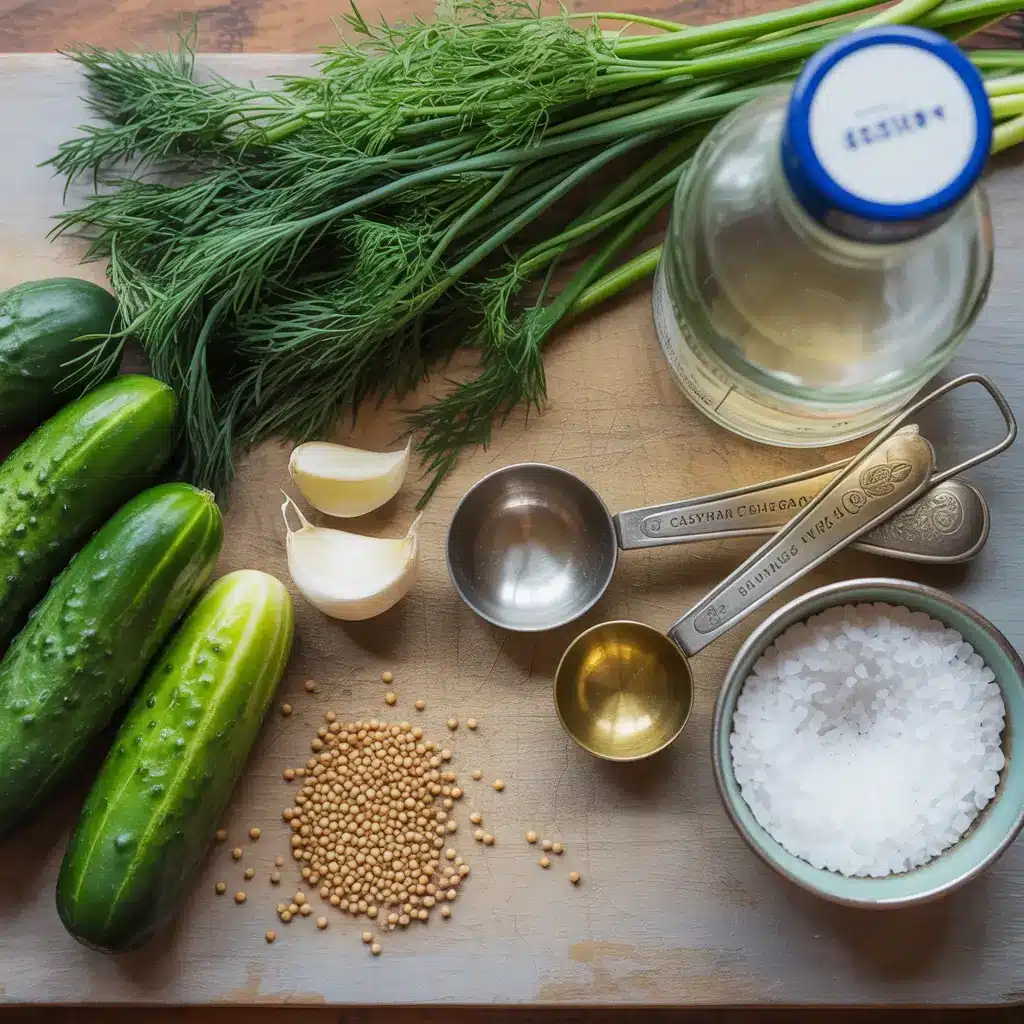
Before you start to pickle cucumbers dill, getting the ingredients right is what separates good pickles from unforgettable ones. Every item in this simple recipe plays a precise role in texture, flavor, and preservation. Let’s break down exactly what you need — and why it matters.
Essential Ingredients for Classic Dill Pickles
- Cucumbers: Choose firm, small cucumbers like Kirby or Persian — they stay crisp longer and soak up flavor better.
- Fresh Dill: Use both the fronds and seeds for that signature aroma and herbal punch.
- Vinegar: White vinegar creates a sharp, classic tang, while apple cider vinegar adds a mellow sweetness.
- Garlic: A few smashed cloves deepen the savory profile.
- Salt: Always pick non-iodized pickling salt — iodized versions soften your pickles.
- Sugar (Optional): Just a spoonful can round out the acidity for a smoother flavor.
Choosing the Right Vinegar
Your vinegar choice influences flavor and preservation.
| Vinegar Type | Flavor Profile | Best For |
|---|---|---|
| White Vinegar | Sharp, clean | Classic dill pickles |
| Apple Cider Vinegar | Mild, fruity | Sweet or spicy variations |
| Wine Vinegar | Aromatic, complex | Gourmet pickling blends |
Optional Add-Ins for Flavor Customization
Add black peppercorns, mustard seeds, chili flakes, or bay leaves for depth and visual appeal. These extras elevate your pickle cucumbers dill recipe from traditional to truly artisanal.
For more fruit-inspired snacks to balance your tangy jars, check out our fruit-for-snacks ideas.
Step-by-Step: How to Make Crunchy Dill Pickles at Home

If you’ve gathered your ingredients, it’s time to turn those fresh cucumbers into the perfect jar of pickle cucumbers dill. Follow these simple steps to create crisp, tangy, and flavor-packed homemade pickles every single time.
Prep Your Cucumbers
Start by washing and trimming the ends of each cucumber. The blossom end contains natural enzymes that can soften pickles, so cutting it off keeps them firm. For extra crunch, soak cucumbers in an ice bath for about two hours before pickling.
Make the Brine
Combine 3 parts vinegar, 2 parts water, and 1 part sugar in a saucepan. Add pickling salt and bring it to a gentle simmer until everything dissolves. This 3-2-1 rule ensures the perfect balance of tang, sweetness, and salt.
Pack and Pour
Pack cucumbers, garlic, and dill tightly into sterilized jars. Pour hot brine over the top, making sure everything is fully submerged. Leave a small air gap at the top to prevent pressure buildup.
Seal and Chill
Seal jars tightly. For quick pickles, refrigerate for 48 hours before serving. For long-term storage, use a hot water bath canning method.
Want more healthy homemade snack ideas? Check out our healthy fruit snacks recipes to complement your crunchy creations.
Secret Tips for Crunchier, Longer-Lasting Pickles 🥒✨
Everyone loves a good pickle, but keeping that signature snap takes more than just a solid recipe. Whether you’re making your first batch or you pickle cucumbers dill every summer, these insider tricks will guarantee crisp, flavorful results that stay perfect for months.
Start with the Freshest Cucumbers
Cucumbers begin losing moisture the moment they’re picked. Use firm, unblemished cucumbers harvested within 24 hours for the best crunch. Smaller varieties like Kirby or Persian cucumbers hold their structure better during brining.
Skip the Iodized Salt
Regular table salt contains iodine and anti-caking agents that can soften your pickles and cloud your brine. Instead, use pure pickling salt or kosher salt for a clean, crystal-clear finish.
Add Natural Tannins
Want that deli-style crunch? Slip in a grape leaf, oak leaf, or cherry leaf. These natural tannins slow down the enzymes that cause mushy pickles, helping you maintain that satisfying snap for months.
Keep the Ratio Right
Stick to a 1:1 vinegar-to-water ratio to maintain acidity. Too much water lowers pH, risking spoilage; too much vinegar makes pickles harsh. Balance is key.
Store Smart
Keep your jars below 70°F and store them upside down for the first 24 hours to ensure even brine contact.
For more creative, nutritious snack pairings, try our black panther fruit snacks — bold, flavorful, and naturally sweet.
Variations You’ll Love — Beyond Classic Dill Pickles
Once you master the basics of how to pickle cucumbers dill, you can start having fun with endless flavor twists. From bold and spicy to mild and sweet, these variations let you personalize your jars while keeping that perfect crunch and tang you love.
Spicy Dill Pickles
Turn up the heat with red pepper flakes, sliced jalapeños, or even a touch of cayenne. The spice merges with the vinegar base to create a sharp, addictive flavor that’s perfect alongside sandwiches or burgers.
Sweet Dill Pickles
For those who prefer balance over bite, add 2 tablespoons of sugar and a pinch of mustard seeds to your brine. This version offers a mellow tang with just enough sweetness to keep you coming back for more.
Fermented Pickles (No Vinegar)
Skip vinegar entirely and rely on saltwater to kickstart lacto-fermentation. This method develops deep, tangy notes and fills your jar with gut-friendly probiotics — a favorite among health-conscious pickle lovers.
Garlic-Dill Power Pickles
Add extra cloves of crushed garlic and a few peppercorns for an intense, savory punch. These are perfect for charcuterie boards or as a side to grilled dishes.
Keto & Low-Sodium Pickles
Adjust your brine by reducing salt and skipping sugar. You’ll still enjoy full flavor with fewer carbs and less sodium.
Looking for inspiration? Save your favorite versions on your Pickle Board on Pinterest or explore healthy flavor pairings like our frozen fruit snacks on Zestolla.
Storage & Preservation — How to Keep Your Pickles Fresh for Months
You’ve learned how to pickle cucumbers dill, but keeping them crisp, safe, and flavorful for months is the real art of preservation. The secret lies in temperature, technique, and a little attention to detail.
Refrigerator vs. Canned Pickles
If you’re making quick dill pickles, store them in the refrigerator. They’ll develop flavor within 48 hours and stay crunchy for up to 2 months. For long-term storage, canning is your best option. It uses a boiling water bath to seal jars and keep your pickles fresh for up to a year — without refrigeration.
Sterilization and Safety
Always sterilize your jars before packing. Wash them in hot, soapy water, then boil them for at least 10 minutes. This kills bacteria and ensures a tight seal once the lids are applied. When canning, keep your pickles completely submerged in brine to prevent mold.
Shelf Life Table
| Pickle Type | Storage Method | Shelf Life |
|---|---|---|
| Quick (Refrigerator) | Fridge | 1–2 months |
| Fermented | Cool pantry | 4–6 months |
| Canned (Hot Water Bath) | Shelf | 12+ months |
Spoilage Signs to Watch
If your pickles turn soft, smell sour, or develop cloudy brine, discard them immediately. Always use clean utensils to avoid contamination.
For more health-focused preservation tips and refreshing food ideas, explore our watermelon flush diet guide on Zestolla.
Nutrition & Health Benefits of Dill Pickled Cucumbers
Beyond their irresistible crunch and tangy flavor, pickle cucumbers dill offer surprising nutritional and health benefits. Whether you enjoy them as a snack, a side dish, or a sandwich topping, these zesty green bites deliver far more than just taste.
Low-Calorie, High-Flavor Snack
Dill pickles are naturally low in calories — typically around 5 to 10 calories per serving. They make a smart choice for weight-conscious eaters craving a satisfying, flavorful crunch without added fats or sugars. The brine’s vinegar content even helps curb appetite and support digestion.
Probiotic Power (When Fermented)
If you prepare your pickle cucumbers dill using the traditional fermentation method — without vinegar — you’re creating a live food packed with probiotics. These beneficial bacteria promote gut health, aid nutrient absorption, and can improve immune function.
Hydration and Electrolyte Balance
Cucumbers are naturally rich in water and potassium, making them a refreshing, hydrating snack. The sodium from brine helps replenish electrolytes, especially after workouts or during hot summer months.
Be Mindful of Sodium
While dill pickles have plenty of upsides, they can be high in sodium. Moderation is key — enjoy them as part of a balanced diet, and pair them with fresh fruits or proteins for variety.
For more ways to balance savory and sweet snacking, check out our hand-held snack with dried fruit — a delicious, fiber-rich complement to your homemade pickles.
Common Mistakes & Troubleshooting
Even experienced home canners sometimes run into problems when trying to pickle cucumbers dill. Below are the most common issues and how to fix them — all verified by trusted food preservation experts.
Why Are My Pickles Soft?
Soft pickles usually come from overripe cucumbers or the blossom end not being trimmed. Enzymes near the blossom can break down firmness. Always cut off about 1/8 inch from the blossom side before pickling.
Source: USDA Complete Guide to Home Canning, 2015
Can I Use Table Salt Instead of Pickling Salt?
Technically yes, but it’s not ideal. Table salt contains iodine and anti-caking agents that cloud brine and soften texture. Use non-iodized pickling salt or kosher salt instead.
Source: Serious Eats – Guide to Pickling Salt
Why Is My Brine Cloudy?
Cloudiness is often caused by minerals in tap water or iodized salt. Use distilled water and pure pickling salt for a clear brine. If a strong odor or bubbles appear, discard the jar.
Source: National Center for Home Food Preservation
Can I Reuse Pickle Brine?
Reusing brine isn’t recommended because acidity and salt levels drop after the first batch, increasing spoilage risk. Always make fresh brine for new cucumbers.
Source: Food52 – Quick Pickle Safety Tips
How to Fix Overly Salty Pickles
Soak pickles in a 50/50 mix of water and vinegar for 30 minutes, then refrigerate. It reduces saltiness without compromising crunch.
A Quick Look at Pickle History — From Cucumber Fields to Mason Jars
The tradition of pickle cucumbers dill dates back thousands of years — long before mason jars or modern kitchens. The earliest records trace pickling to Mesopotamia around 2400 BCE, where cucumbers from the Tigris Valley were preserved in brine to last through harsh seasons.
Source: Smithsonian Magazine – The History of Pickles
Pickling soon spread across continents. In Eastern Europe, particularly in Poland, Russia, and Germany, the method evolved with the use of dill weed, giving birth to the iconic dill pickle we know today. Immigrant communities brought these recipes to America in the 1800s, where New York’s Jewish delis made the kosher dill pickle a staple of American cuisine.
Source: The Atlantic – The Cultural Journey of Pickles
By the 20th century, pickles were no longer just a preservation technique but a flavor obsession. Canning innovations like the Ball Mason Jar transformed home pickling into a beloved ritual. Today, the dill pickle has found new life on TikTok and Pinterest, where crunchy ASMR videos and creative brine recipes keep this ancient practice thriving.
Follow our latest flavor trends and recipe inspiration on Facebook — where tradition meets modern taste.
FAQs About Pickling Cucumbers and Dill
1. Is a dill pickle a cucumber?
Yes! Every dill pickle starts as a cucumber. The transformation happens during the pickling process, when cucumbers soak in a brine of vinegar, salt, and dill until they develop their iconic tangy flavor.
Source: Wikipedia – Pickled Cucumber
2. What is the 3-2-1 rule for pickling?
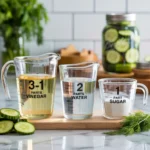
The 3-2-1 rule stands for 3 parts vinegar, 2 parts water, and 1 part sugar — the golden ratio for a balanced brine. It creates the ideal acidity and sweetness for refrigerator pickles.
Source: Food52 – Quick Pickle Guide
3. What are the three main ingredients for pickles?
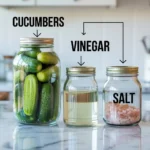
The essential trio is cucumbers, vinegar (or brine), and salt. These ingredients preserve freshness, flavor, and crunch while preventing bacteria growth.
Source: National Center for Home Food Preservation
4. What is dill pickle
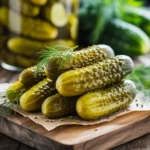
A dill pickle is a cucumber preserved with dill weed or dill seeds, giving it a distinctive herbal and slightly citrusy flavor. The dill is what differentiates it from other pickle varieties.
Source: The Spruce Eats – Dill Pickle Definition
Conclusion — The Joy of Making Your Own Dill Pickled Cucumbers
Learning to pickle cucumbers dill isn’t just about preserving food — it’s about rediscovering the pleasure of homemade flavor. Each jar tells a story of care, patience, and creativity. With just a handful of ingredients — cucumbers, dill, vinegar, and salt — you can craft something that’s tangy, crisp, and deeply satisfying.
Homemade dill pickles are healthier, fresher, and more customizable than anything store-bought. You control the ingredients, balance the brine, and perfect the crunch. Whether you prefer the traditional garlic-dill style or spicy, sweet, and probiotic twists, there’s no wrong way to pickle — only your way.
So grab some jars, fresh cucumbers, and fragrant dill — and start your next batch. It’s easier than you think, and the reward is a pantry filled with pure flavor and satisfaction.
For more creative snack pairings, don’t miss our air fryer protein donut holes — the perfect sweet balance to your savory pickles.
And for official preservation safety tips, visit the USDA Pickling Guide to keep every jar safe and fresh.