

Introduction
A truly great north indian butter chicken recipe delivers something most chicken curries don’t: a silky, velvety sauce with just the right balance of creaminess, gentle heat, and smoky depth. This dish, known as Murgh Makhani, was born in the busy kitchens of Old Delhi, where chefs perfected the blend of charred tandoori chicken and a rich tomato-butter base. Today, it remains one of the most iconic North Indian dishes ever created.
While many versions exist online, few capture the real North Indian style—smooth, mildly spiced, buttery, and deeply aromatic. This guide takes you inside the authentic Delhi technique, yet also walks you through lighter options, weeknight shortcuts, meal-prep ideas, and troubleshooting tricks so you can master it confidently at home. And if you enjoy exploring comforting chicken dinners, check out this flavorful slow-cooked option: https://www.zestolla.com/crockpot-chicken-parmesan/
By the end, you’ll understand not only how to make butter chicken, but also why it tastes the way it does—thanks to spice layering, fat balance, browning, and the signature aroma of kasuri methi. This is the only comprehensive guide you’ll need, built to help beginners and experienced home cooks create a restaurant-quality dish every single time. for more inspiration visite https://www.hightasty.com/.
table of contents
Table of Contents
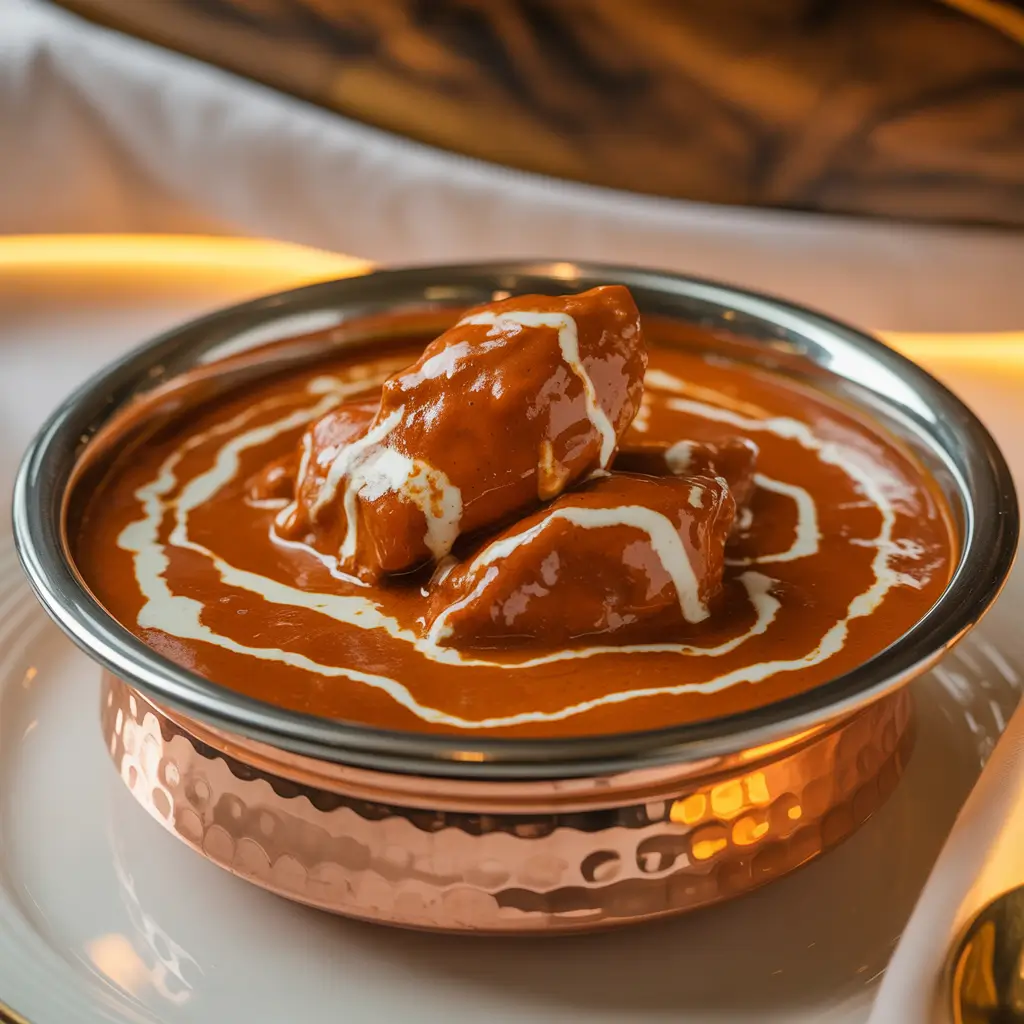

Authentic North Indian Butter Chicken (Murgh Makhani)
Ingrédients
Equipment
Method
- In a bowl, combine yogurt, ginger paste, garlic paste, chilli powder, cumin, garam masala, and salt. Add chicken and marinate for at least 1 hour (4–8 hours preferred).
- Preheat broiler or grill. Spread marinated chicken on a tray and broil for 6–8 minutes until lightly charred and cooked through. Alternatively, sear in a cast-iron pan.
- In a saucepan, melt ghee and sauté cardamom. Add chopped tomatoes and tomato paste. Simmer until soft, about 10–15 minutes.
- Blend the tomato mixture until smooth. Strain for extra silkiness if desired. Return to pan, season with sugar and salt to balance flavors.
- Add grilled chicken to the sauce. Simmer for 5–7 minutes until coated and heated through. Stir in cream and kasuri methi at the end. Finish with a small pat of butter if desired.
Nutrition
Notes
Tried this recipe?
Let us know how it was!What Is Butter Chicken? Origins, Identity & North Indian Roots
The Delhi Story (Old Delhi / Moti Mahal Legacy)
Butter chicken began in the 1950s at Moti Mahal in Old Delhi, where chefs mixed leftover tandoori chicken with a buttery tomato sauce to keep it tender. The charred chicken added instant smokiness, and the creamy makhani base created the smooth flavor the dish is now known for. What started as a simple solution became one of North India’s most famous recipes.
What Makes It Truly “North Indian”?
A traditional north indian butter chicken recipe uses ghee and butter, a yogurt-based tandoori marinade, and Kashmiri red chilli for vibrant color. Kasuri methi brings a warm aroma, while the sauce stays tomato-forward with very little onion. The result is mild, creamy, and balanced—rich enough for special occasions yet simple enough for home cooking. And if you enjoy exploring global chicken dishes, check out: https://www.zestolla.com/turkish-doner-kebabs/
Butter Chicken vs Chicken Tikka Masala (Quick Comparison)
Although they look similar, the two dishes have different flavor styles:
| Feature | Butter Chicken | Chicken Tikka Masala |
|---|---|---|
| Flavor | Creamy, buttery, mild | Spicier, tangier |
| Texture | Smooth, velvety | Thicker, chunkier |
| Sauce Base | Butter + tomato + cream | Tomato + onion + spices |
Butter chicken is softer, sweeter, and richer, while tikka masala leans bold and tangy.
Ingredients: Authentic vs Easy Substitutions
Authentic North Indian Ingredients
Traditional butter chicken relies on a few key items that shape its flavor. Chicken thighs provide tenderness, while a yogurt marinade seasoned with ginger, garlic, cumin, and chilli builds depth. Kashmiri red chilli offers rich color without too much heat. Fresh tomatoes form the base of the makhani sauce, enriched with ghee, butter, and a splash of cream. Kasuri methi adds the signature North Indian aroma that sets this dish apart.
Smart Kitchen Substitutions (US Grocery Friendly)
If you can’t find Kashmiri chilli, paprika with a pinch of cayenne delivers a similar balance. Tomato paste mixed with water works when fresh puree isn’t available. Heavy cream can be replaced with Greek yogurt for a lighter finish, and ghee can be swapped with butter plus a teaspoon of neutral oil. These substitutions maintain flavor while keeping the recipe accessible. For another quick and easy dinner idea, discover great ideas like this 15-minute pasta: https://www.zestolla.com/15-minute-lemon-ricotta-pasta/
Ingredient Table (Purpose / Authentic / Substitute)
| Purpose | Authentic Ingredient | Easy Substitute |
|---|---|---|
| Color & mild heat | Kashmiri red chilli | Paprika + cayenne |
| Aroma | Kasuri methi | Fenugreek powder (tiny pinch) |
| Creaminess | Heavy cream | Greek yogurt |
| Sauce base | Fresh tomatoes | Tomato paste + water |
| Fat | Ghee | Butter + neutral oil |
Step-by-Step Instructions (Stovetop + Oven Hybrid)
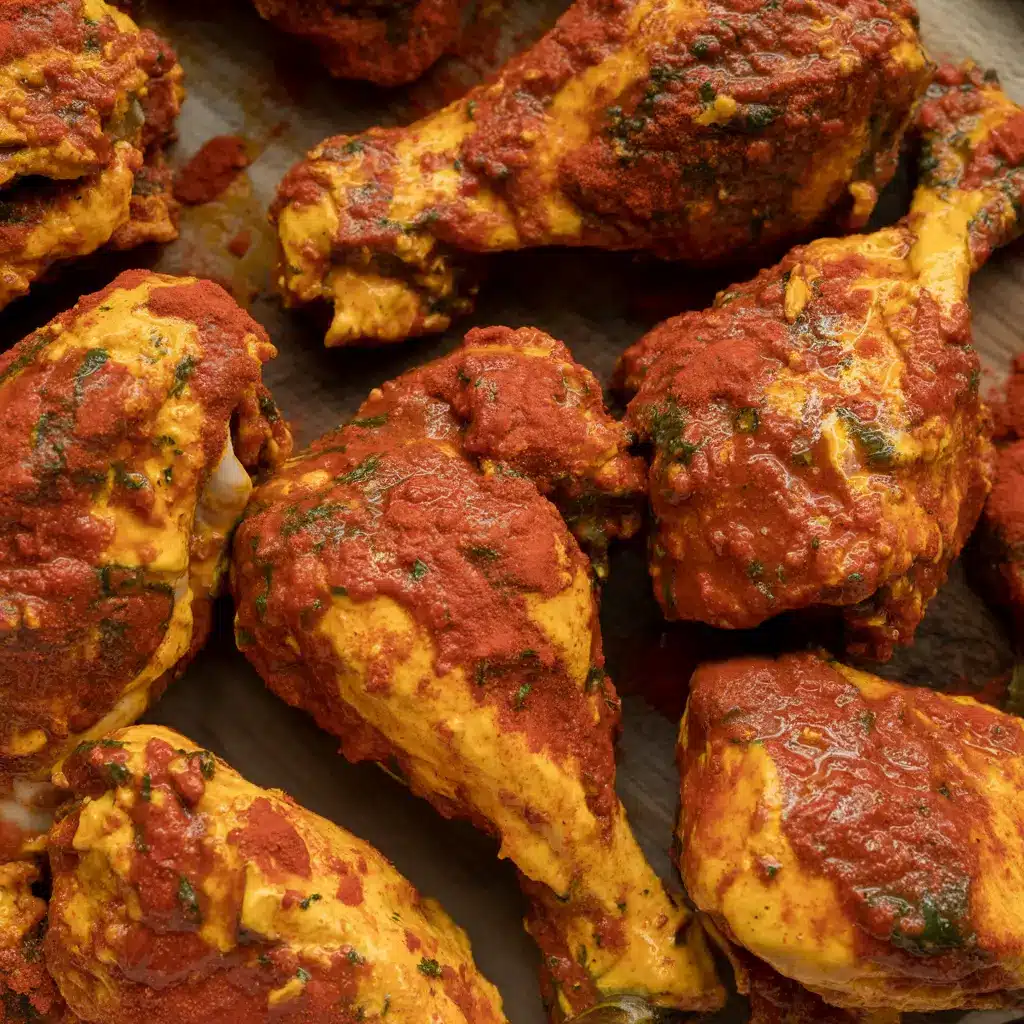
Step 1 – Marinate the Chicken
Start by coating chicken thighs in yogurt, ginger, garlic, Kashmiri chilli, cumin, and garam masala. The yogurt softens the meat while the spices build flavor. Let it rest for at least one hour, though four to eight hours creates a deeper, more authentic taste.
Step 2 – Grill or Broil for Smokiness
Spread the marinated chicken on a sheet pan and broil or grill it until lightly charred. This step mimics tandoori-style cooking and gives the butter chicken its smoky edge. A cast-iron pan also works if broiling isn’t an option. And if you love smoky flavors, don’t miss our chicken doner recipe: https://www.zestolla.com/chicken-doner/
Step 3 – Prepare the Makhani Sauce
Warm ghee in a pan, then bloom cumin, cardamom, and chilli. Add tomatoes and simmer until they break down. Blend the mixture until smooth and strain for a velvety texture. Adjust balance with a touch of sugar or a small amount of butter.
Step 4 – Combine Chicken and Sauce
Add the grilled chicken to the sauce and simmer briefly. Finish with cream and a pinch of kasuri methi. Keep the heat low to prevent curdling and add hot water if the sauce becomes too thick. Taste and adjust salt or butter as needed.
for more inspieation look at https://fr.pinterest.com/gadeserahmed/
Recipe Variations (Authentic, Lighter, Quick & Vegetarian)
Restaurant-Style (Rich & Creamy)
This classic version uses extra butter, more cream, and a deeper tomato base. The sauce is thicker, smoother, and closer to what you’d find in Delhi restaurants. It’s ideal when you want a full, indulgent North Indian flavor.
Lighter Home Version
For a balanced option, replace part of the heavy cream with Greek yogurt and reduce the butter. The sauce stays creamy but feels lighter, making it perfect for weeknights or meal prep.
H3. Instant Pot or Slow Cooker
Pressure cooking develops flavor quickly. Cook the sauce base first, add the chicken, and finish with cream at the end to prevent splitting. This method gives tender results with minimal effort.
Oven-Only / Sheet-Pan Version
Roast the chicken and tomatoes together on a tray, then blend everything into a smooth sauce. This version reduces cleanup and speeds up prep, especially for families.
Vegetarian Options (Paneer or Chickpeas)
Paneer cubes or chickpeas pair perfectly with the makhani sauce. They hold their shape and absorb the flavors well. And if you enjoy plant-forward dishes, looking for inspiration? Try this cozy dip: https://www.zestolla.com/broccoli-cheddar-dip/
Meal Prep, Storage & Freezer Tips
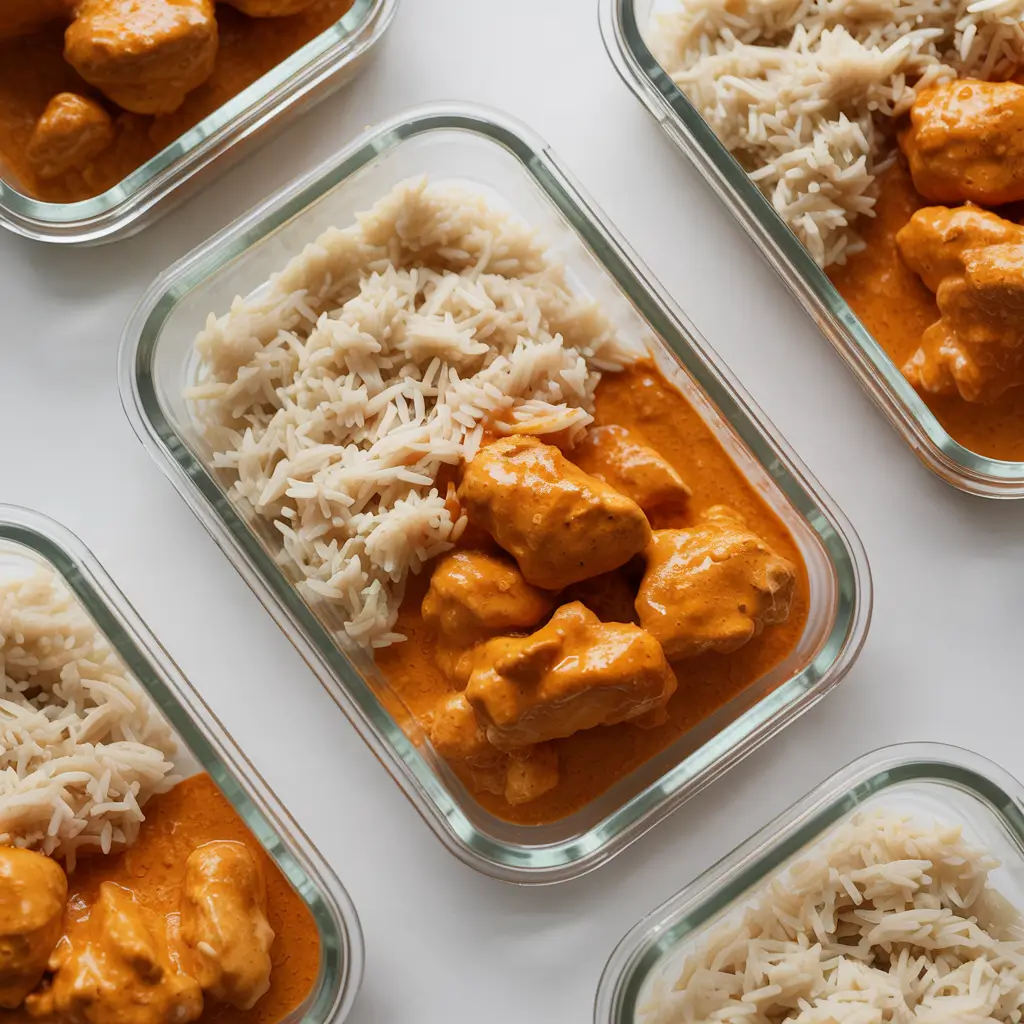
Make the Sauce Ahead
Butter chicken sauce keeps well in the fridge for up to two days. Store it separately from the chicken to maintain freshness. Reheat it gently and add cream only after warming to keep the texture smooth.
Freeze Marinated Chicken
Marinated chicken freezes beautifully and saves time on busy days. Store portions in freezer bags, and thaw them overnight before cooking. This keeps flavors sharp and reduces prep during the week.
Reheat Without Splitting
Warm leftovers on low heat and stir in a splash of cream at the end. Avoid boiling once the cream is added. If the sauce thickens too much, add a little warm water or broth.
Weekly Meal Prep Mini-Plan
Make a large batch of sauce, then pair it with chicken, chickpeas, or paneer through the week. This keeps meals varied without extra cooking. For more cozy meal ideas, don’t miss our seasonal favorite here: https://www.zestolla.com/pumpkin-spice-latte-2025/
North Indian Pairings: What to Serve With Butter Chicken
Breads
Soft naan and garlic naan pair perfectly with butter chicken because they soak up the creamy makhani sauce. Tandoori roti offers a lighter option, while flaky paratha adds richness for a more indulgent meal.
Rice & Grains
Basmati rice remains the classic pairing thanks to its aroma and fluffy texture. Jeera rice brings a mild cumin fragrance, and peas pulao adds color and sweetness without overpowering the dish.
Vegetable Sides
Aloo gobi, saag, and kachumber salad help balance the richness of the sauce. Their lighter flavors make the meal feel more complete without adding heaviness.
Drinks & Desserts
Mango lassi cools the palate, while classic Indian desserts like kulfi, gulab jamun, or kheer complement the creamy notes of butter chicken.
Sample North Indian Dinner Menu
Serve butter chicken with garlic naan, basmati rice, saag, and mango lassi for a full North Indian experience that feels comforting and complete.
Nutrition & Better-for-You Tips
Approximate Calories (Restaurant vs Home-Style)
Restaurant butter chicken is famously rich because chefs use large amounts of butter, heavy cream, and ghee to create a thick, glossy makhani sauce. A single serving often reaches 500–700 calories, with most of the calories coming from fat. While delicious, it’s usually heavier than what many home cooks expect.
At home, the calorie count drops naturally. By adjusting the cream and butter, a typical home version lands around 350–450 calories per serving. Using chicken thighs instead of large quantities of sauce also keeps the overall balance healthier without changing the signature North Indian flavor. The biggest nutritional differences between home and restaurant versions come from the type of fat used, the cooking method, and the serving size.
How to Make It Lighter
You can create a lighter butter chicken without losing creaminess. Start by swapping part of the heavy cream for Greek yogurt or a blend of light cream and milk. The yogurt adds body while reducing the amount of saturated fat. Another easy adjustment is using half butter and half ghee, or even cutting the butter by one-third.
Adding more fresh tomatoes creates natural sweetness and reduces the need for extra cream. You can also increase the chicken-to-sauce ratio, which boosts protein without overloading on fat. Serving it with steamed vegetables, cauliflower rice, or a fresh kachumber salad helps balance the meal while keeping the flavor profile traditional.
High-Protein Variation
For a more filling version, increase the amount of chicken or include chickpeas or lentils for added protein. Chickpeas absorb the makhani sauce beautifully and add texture, while lentils create a softer, creamier alternative. Mixing chicken and chickpeas is an excellent option for families because it stretches the meal without compromising taste.
You can also make the sauce slightly lighter and lean on the protein to create a more satisfying dish. This variation keeps the flavor grounded in classic North Indian cooking while making the meal suitable for fitness-focused or high-energy lifestyles.
Nutrition & Better-for-You Tips
Approximate Calories (Restaurant vs Home-Style)
Restaurant butter chicken is usually high in calories because chefs rely heavily on butter, cream, and ghee to achieve that signature glossy sauce. A single serving often reaches 500–700 calories, with most of the calories coming from fat. At home, the balance shifts. With lighter ingredients and smaller portions of butter, a typical serving falls to 350–450 calories, making it easier to fit into a balanced weekly meal plan. The main calorie difference comes from the amount of cream, the type of fat used, and the ratio of sauce to chicken.
How to Make It Lighter
You can keep the classic flavor while reducing richness. Replacing part of the heavy cream with Greek yogurt cuts calories without losing creaminess. Using half the usual amount of butter or switching fully to ghee also lightens the dish. Adding more tomatoes—fresh or pureed—naturally boosts sweetness and reduces the need for extra fat. For an even lighter serving, pair the dish with steamed vegetables, cauliflower rice, or a simple salad to balance the meal without sacrificing taste.
High-Protein Variation
If you want a more filling option, increase the amount of chicken or add chickpeas for extra protein and fiber. Chickpeas absorb the makhani sauce well and make the dish more satisfying. Lentils work too, offering a softer texture while keeping the flavor mild and familiar. These adjustments transform butter chicken into a nutrient-dense meal without changing the warm North Indian profile people love.
Troubleshooting: Common Problems & Quick Fixes
Sauce Too Sour
Tomatoes can vary in acidity. Add a small amount of cream, butter, or a pinch of sugar to balance the flavor. Simmer briefly to blend everything smoothly.
Sauce Too Thin
A watery sauce often means it hasn’t reduced enough. Simmer uncovered until thicker, or stir in a spoonful of cashew cream for quick body and richness.
Sauce Too Thick
If the sauce reduces too far, loosen it with warm water or broth. Add liquid gradually so the texture stays silky and controlled.
Cream Splitting
Cream can separate when added over high heat. Lower the heat first, then stir in the cream slowly. A quick whisk often fixes small curdling.
Chicken Turning Dry
Dry chicken usually comes from overcooking or using breast meat without enough marinade. Cook just until tender, and increase the marinating time next time.
Flavor Feels Flat
Lack of aroma often means the dish needs more kasuri methi or a pinch of fresh garam masala. Adding a small pat of butter at the end also lifts the flavor.
Sauce Too Sweet
If the balance leans too sweet, add a splash of lemon juice, more chilli, or a pinch of salt to restore harmony.
FAQ – People Also Ask
Is Butter Chicken North Indian or South Indian?
Butter chicken is a North Indian dish created in Old Delhi in the 1950s.
Source: “Moti Mahal: The Story of Butter Chicken,” Indian culinary history archives.
What Makes Butter Chicken Different From Tikka Masala?
Butter chicken is creamier and milder, while tikka masala is spicier and more tomato-forward.
Source: Camellia Panjabi – 50 Great Curries of India.
Can I Make Butter Chicken Without Cream?
Yes. You can replace cream with Greek yogurt, cashew cream, or milk for a lighter version.
Source: Sanjeev Kapoor – Khana Khazana Home Cooking Guides.
Can I Use Chicken Breast Instead of Thighs?
Yes, but thighs stay juicier. If using breast, shorten the cooking time to prevent dryness.
Source: India: The Cookbook – Pushpesh Pant.
Is Butter Chicken Spicy?
Traditional North Indian butter chicken is mild. Its warmth comes mainly from Kashmiri chilli, which adds color more than heat.
Source: The Essential Indian Instant Pot Cookbook – Archana Mundhe.
How Do I Fix a Sour Butter Chicken Sauce?
Add cream, butter, or a pinch of sugar to soften acidity from tomatoes. Simmer briefly to blend.
Source: Flavor balancing principles from classical makhani sauces in Indian cooking schools.
How Long Does Butter Chicken Last in the Fridge?
It keeps 3–4 days in an airtight container. Reheat on low heat to avoid cream splitting.
Source: Food safety guidelines from the National Center for Home Food Preservation.
Can I Make Butter Chicken on a Weeknight?
Yes. Using pre-marinated chicken or making the sauce ahead reduces the total time to under 30 minutes.
Source: Home-style methods in modern Indian meal-prep cookbooks.
Flavor Science
Maillard Browning on the Chicken
The deep flavor of butter chicken starts when the marinated chicken browns under high heat. This browning is known as the Maillard reaction, which creates savory, smoky notes essential to North Indian dishes.
Source: Harold McGee – On Food and Cooking.
Fat–Acid Balance
Butter chicken tastes smooth because its sauce balances tomato acidity with fats like butter, ghee, and cream. These fats soften sharp flavors and help blend spices into a round, mellow finish.
Source: Culinary Institute of America – Flavor Foundations.
Role of Kasuri Methi & Cardamom
Kasuri methi provides a warm, slightly bitter aroma that defines makhani sauces. Green cardamom adds sweetness and floral depth, creating the dish’s signature layered fragrance.
Source: J. Indira’s Spice Science Notes, Indian spice education series.
Why Blended Sauces Feel Velvety
Butter chicken sauce becomes velvety because blended tomatoes and butter emulsify together when cooked slowly. Straining removes solids, and the natural pectin in tomatoes helps the sauce feel smooth and rich.
Source: Indian Culinary Academy – Sauce Texture & Emulsions Module.
Conclusion
Butter chicken stays popular because it delivers a creamy, balanced, and comforting North Indian flavor. With this guide, you now have a clear method, helpful variations, and quick fixes that make the recipe easy for everyday cooking. Use the classic version when you want something rich, or switch to lighter ingredients when you need a simpler weeknight meal.
For more dishes you can make at home, check out this quick favorite: https://www.zestolla.com/tiktok-viral-doner-kebab/
This recipe gives you everything you need to prepare a smooth, flavorful butter chicken that feels restaurant-quality every time.