
introduction
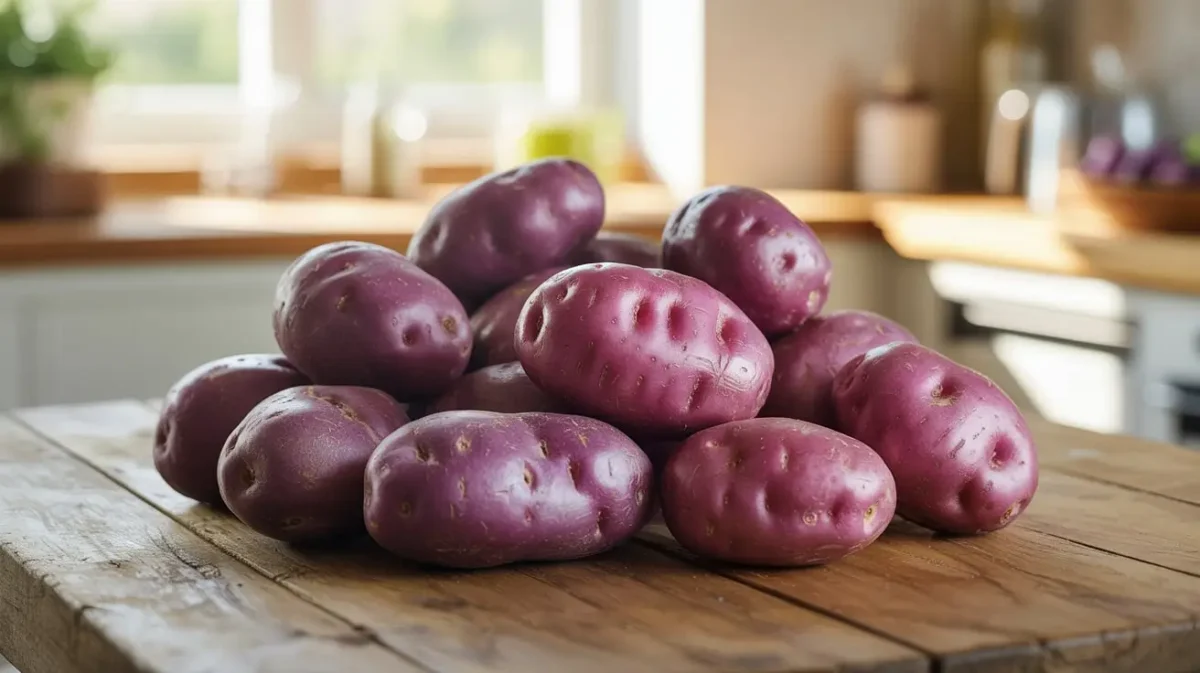
How to keep purple potatoes purple when cooking is a question many home cooks ask after seeing their vibrant potatoes fade into dull gray or green tones. Purple potatoes are naturally rich in color and nutrients, yet they are also sensitive to heat, water, and cooking conditions. Because of that, the way you handle them before and during cooking makes a major difference.
In this cluster guide, you’ll learn the exact reasons purple potatoes lose their color, the science behind their pigments, and the most reliable techniques to preserve their deep purple shade. As you move through each part, you’ll gain practical, easy-to-follow methods that work in real kitchens, not just in theory. By the end, you’ll know how to cook purple potatoes confidently while keeping both their color and nutritional value intact.
Learn more about the science behind color changes by checking out
https://www.zestolla.com/why-purple-majesty-potatoes-lose-color/
table of contents
Table of Contents
What Makes Purple Potatoes Purple in the First Place
Anthocyanins: The Natural Purple Pigment
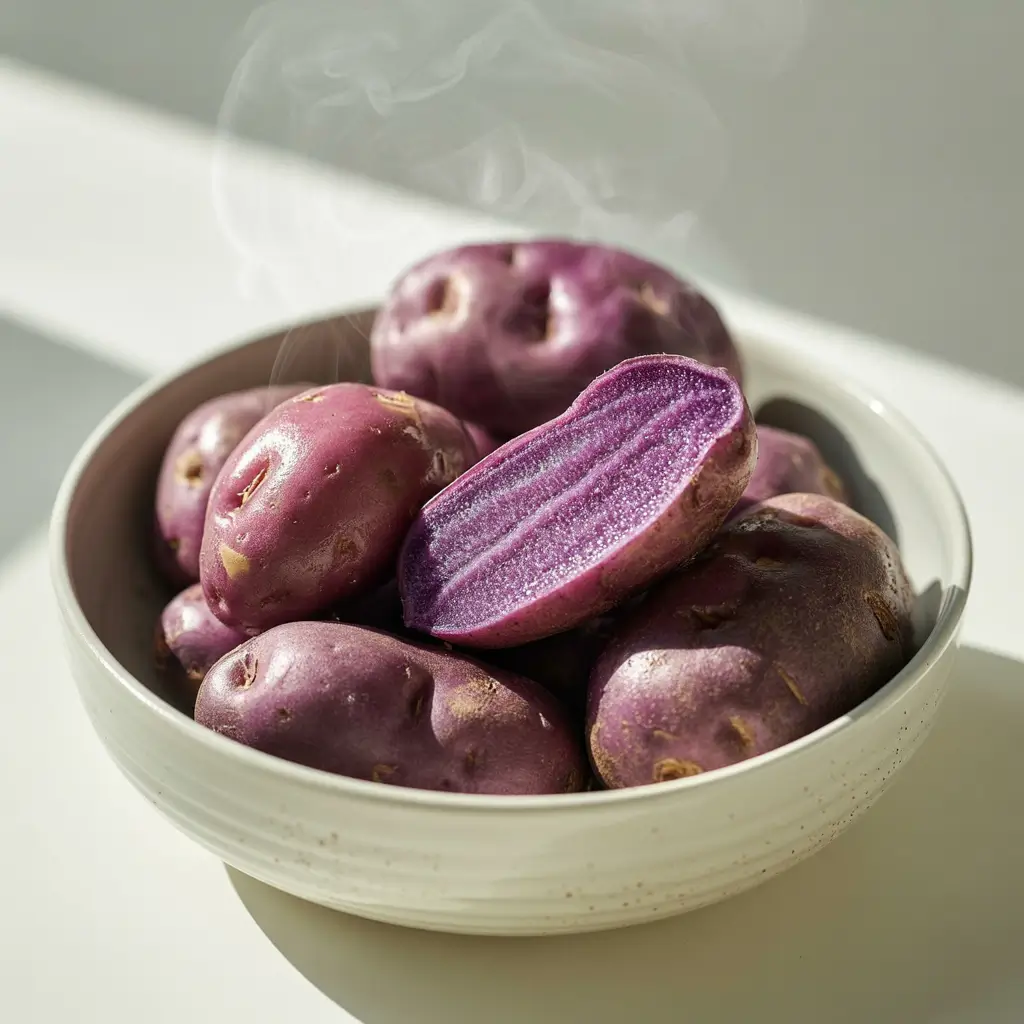
purple potatoes cooking tips owe their bold color to anthocyanins, which are natural plant pigments found in foods like blueberries, blackberries, and red cabbage. These pigments are not just decorative. They act as antioxidants that help protect the body from oxidative stress and inflammation.
However, anthocyanins are water-soluble and highly reactive. That means they respond quickly to heat, light, oxygen, and changes in pH. Because of this sensitivity, purple potatoes require more careful handling than white or yellow potatoes.
Why this Potatoes React Differently Than Other Potatoes
White and yellow potatoes get their color from starches and carotenoids, which remain stable during most cooking methods. Purple potatoes are different because their color sits deeper in the flesh and depends on pigment stability rather than starch structure.
As a result, boiling, soaking, or overcooking purple potatoes causes pigments to escape into the water. That’s why the water often turns purple while the potatoes lose their vibrancy. Understanding this difference is the foundation of learning how to keep purple potatoes purple when cooking successfully.
how to keep purple potatoes purple when cooking
Ingrédients
Equipment
Method
- Wash purple potatoes thoroughly and leave skins on to protect pigments.
- Cut potatoes into halves or large chunks. Smaller pieces lose color faster.
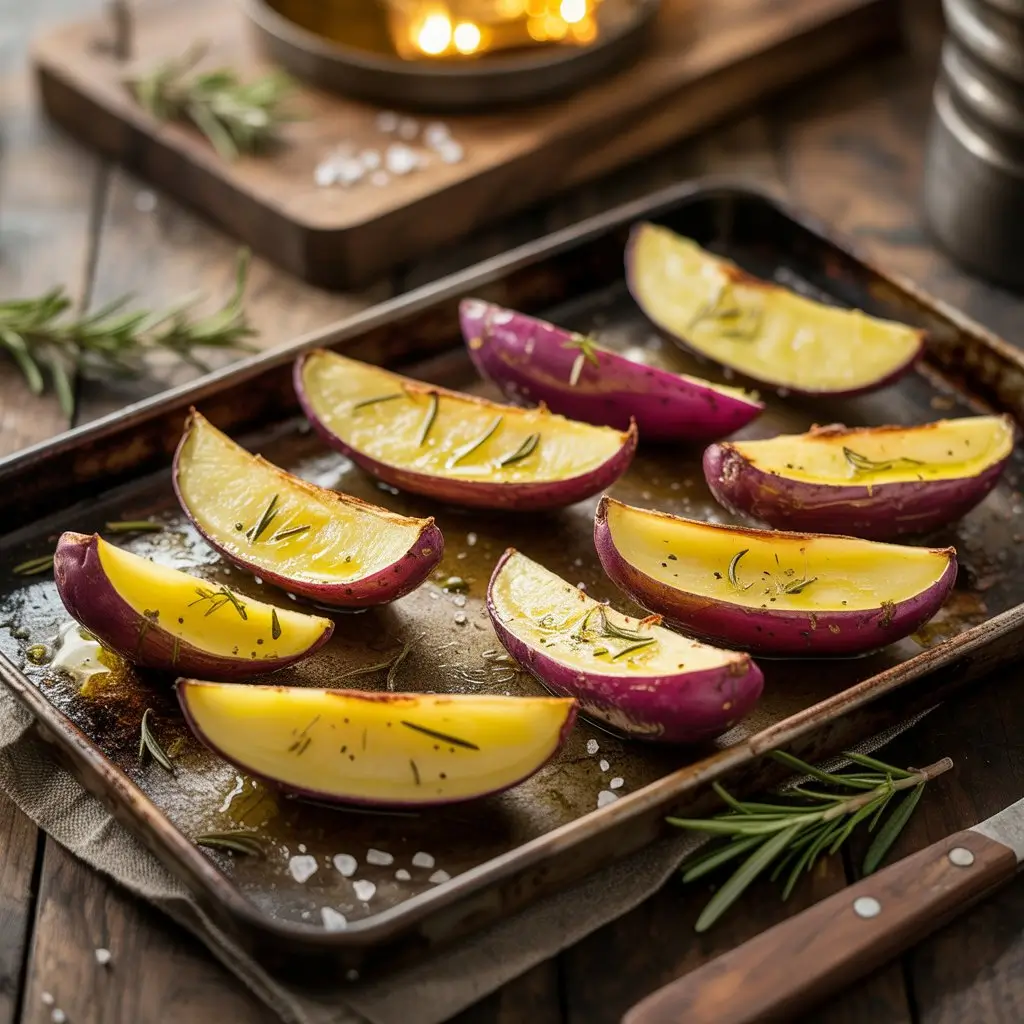
- Choose a color-preserving method: steam for 15–20 minutes or roast at 400°F (200°C) for 25–30 minutes with olive oil and salt.
- After cooking, drizzle with lemon juice or vinegar to help stabilize color. Toss gently while warm.
- Serve immediately. Avoid covering hot potatoes tightly, as steam may dull color.
Nutrition
Notes
Tried this recipe?
Let us know how it was!Why Purple Potatoes Lose Color During Cooking
How Water Pulls Color Out of Purple Potatoes
One of the main reasons purple potatoes lose their color is water exposure. Anthocyanins, the pigments responsible for the purple shade, are water-soluble. When potatoes are boiled or soaked for too long, these pigments seep into the surrounding water.
That is why cooking water often turns blue or purple while the potatoes themselves look faded. The more water involved, the more color loss occurs. This reaction explains why boiling is one of the least effective methods for preserving color.
Heat Intensity and Cooking Time Matter
High heat breaks down anthocyanins faster than gentle heat. Long cooking times make the problem worse. When purple potatoes are overcooked, their pigments degrade, leaving behind dull gray or brown tones.
This is especially noticeable when potatoes are cut into small pieces. Smaller cuts expose more surface area to heat and water, which speeds up pigment loss. For better results, whole or large-cut potatoes always perform better.
The Role of pH Levels During Cooking
Anthocyanins are stable in acidic environments but unstable in alkaline ones. Even slightly alkaline cooking conditions can cause purple potatoes to lose their vibrant color. This is why adding baking soda, even accidentally, results in dramatic color changes.
For a deeper look at how specific potato varieties react to cooking conditions, Discover great insights about Purple Majesty potatoes here:
https://www.zestolla.com/purple-majesty-potato/
Understanding these factors is critical because once pigments are lost, they cannot be restored. That’s why prevention, not correction, is the key to mastering how to keep purple potatoes purple when cooking.
How to Keep Purple Potatoes Purple When Cooking Successfully
Choose a Color-Stable Variety
Some purple potatoes hold their color better than others. Varieties like Purple Majesty are known for stronger pigment retention, making them easier to cook without fading.
Discover great details here:
https://www.zestolla.com/purple-majesty-potato/
Keep Skins On
Cooking purple potatoes with the skin on helps protect the pigments from heat and water. Peeling after cooking preserves more color and nutrients.
Cut Them Less, Not More
Smaller cuts lose color faster. Cooking potatoes whole or in large chunks reduces pigment loss and keeps the purple color stronger.
Avoid Overcooking
Long cooking times break down anthocyanins. Cook only until fork-tender, then remove from heat immediately to stop further color loss.
Best Cooking Methods to Preserve Purple Potato Color
Steaming Works Best
Steaming uses very little water, which helps prevent color loss. Since anthocyanins do not leach out as easily, purple potatoes stay vibrant. For best results, steam whole potatoes with skins on until just fork-tender.
Roasting Locks in Color and Flavor
Roasting seals the outside quickly and limits moisture loss. Toss purple potatoes with olive oil and roast at 400°F, making sure they are spread out evenly. Crowding the pan traps steam and dulls the color.
Microwaving for Quick Results
Microwaving uses minimal water and short cook times. Although the texture may be softer, color retention is surprisingly good when potatoes are cooked whole.
Cooking Methods That Cause Purple Potatoes to Fade
Boiling Potatoes in Plain Water
Boiling is one of the fastest ways to lose the purple color. Because anthocyanins are water-soluble, they easily escape into the cooking water. As a result, the water turns purple while the potatoes look dull or gray. The longer they boil, the more color disappears. If boiling is necessary, keeping potatoes whole and reducing cooking time helps limit damage.
Pressure Cooking at High Heat
Pressure cooking uses intense heat and moisture, which breaks down pigments quickly. Without any acid present, purple potatoes often lose most of their color during pressure cooking. This method is better avoided when color matters.
Using Baking Soda or Alkaline Ingredients
Baking soda raises pH levels, and alkaline environments destroy anthocyanins almost instantly. Even a small amount can turn purple potatoes brown or green. This mistake often happens when baking soda is added to soften potatoes faster.
Overcooking After Tenderness
Leaving this potatoes on heat after they are fully cooked continues pigment breakdown. Residual heat keeps damaging the color even when the potatoes are no longer cooking actively. Draining or removing them from heat immediately helps stop this process.
Cooking in Reactive Cookware
Aluminum and cast iron can react with anthocyanins, causing discoloration. Stainless steel or enamel cookware is safer and helps maintain a cleaner purple appearance.
Understanding which methods fade color is just as important as knowing how to keep purple potatoes purple when cooking. Avoiding these mistakes makes preserving their vibrant look much easier.
How Acid Helps Keep Purple Potatoes Purple When Cooking
Why Acid Protects Purple Color
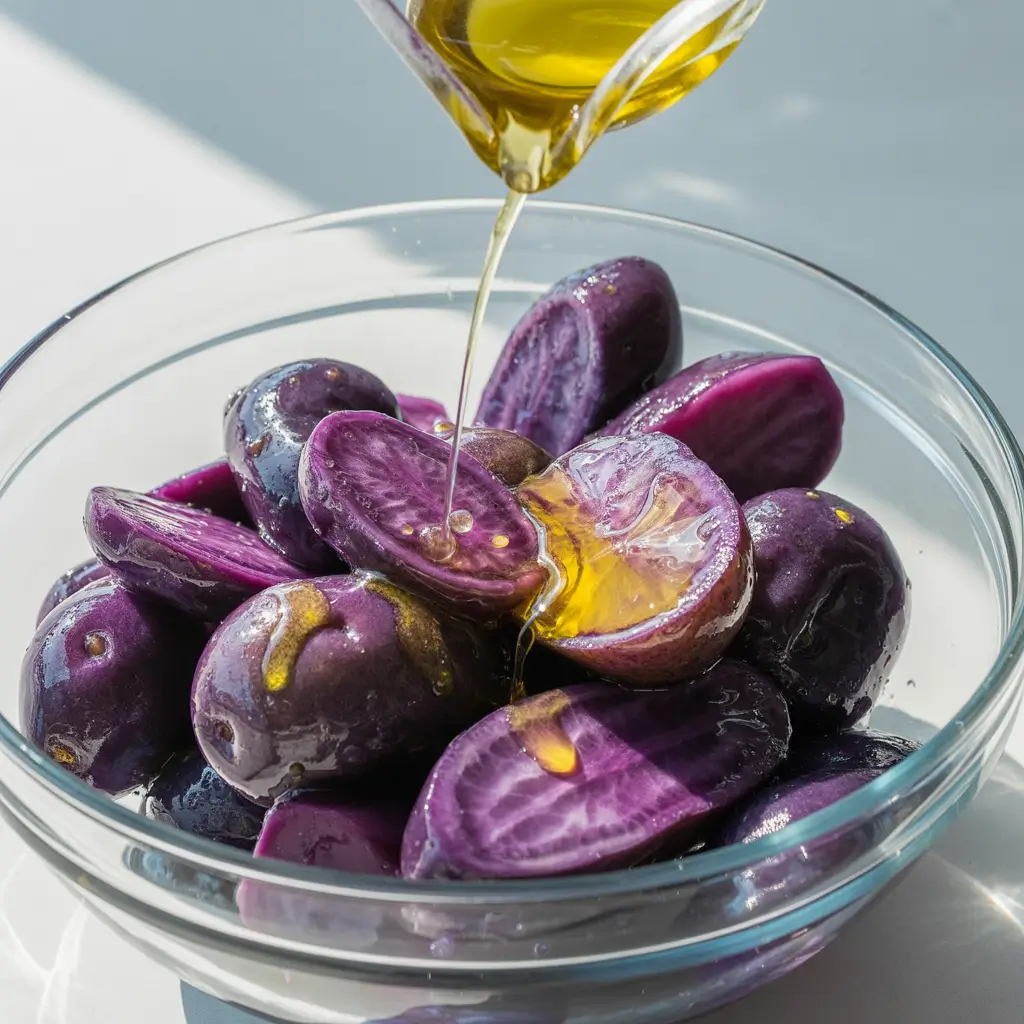
Acid plays a key role in preserving the purple color of potatoes. Anthocyanins are more stable in acidic environments, which means they hold their color better when pH levels are slightly low. When purple potatoes are cooked without acid, pigments break down faster, leading to faded or uneven coloring.
This is why potatoes often look brighter when paired with acidic ingredients like lemon juice or vinegar. The acid helps lock in the pigment instead of letting it degrade.
When to Add Acid for Best Results
Timing matters. Adding acid before cooking can affect texture, making potatoes slightly firmer or unevenly cooked. The best approach is to add acid after cooking, while the potatoes are still warm. This protects color without changing how the potatoes cook.
A light splash of lemon juice, apple cider vinegar, or red wine vinegar is enough. You do not need much. Too much acid can overpower flavor.
Acidic Ingredients That Work Well
Simple acids work best. Lemon juice, white vinegar, and apple cider vinegar are reliable and easy to control. Yogurt-based sauces and vinaigrettes also help maintain color when mixed with warm potatoes.
What to Avoid
Avoid alkaline ingredients like baking soda or alkaline mineral water. These cancel out the benefits of acid and quickly dull the purple color.
Once you understand how acid works, it becomes a powerful tool in mastering how to keep purple potatoes purple when cooking, especially when combined with gentle cooking methods.
Why Purple Potatoes Sometimes Turn Green
Light Exposure Before Cooking
Green discoloration usually starts before cooking. When purple potatoes are exposed to light during storage, they produce chlorophyll. This green pigment forms near the surface and can appear even on purple varieties. Along with the color change, the potatoes may develop a slightly bitter taste.
To prevent this, always store purple potatoes in a cool, dark place. Avoid leaving them on countertops or near windows for extended periods.
Natural Chemical Reactions
Purple potatoes contain different pigments than white potatoes, but they can still react to environmental stress. When exposed to light and oxygen, pigment balance shifts, causing green or uneven coloring.
Cookware and Water Quality
Minerals in water or reactive cookware can also affect color. Aluminum or cast-iron pots may react with anthocyanins, leading to strange color changes. Using stainless steel or enamel cookware helps reduce this risk.
Are Green Purple Potatoes Safe to Eat?
Small green spots can be trimmed off, but heavily green potatoes should be avoided. Green areas may contain higher levels of solanine, which can cause digestive discomfort.
Understanding these causes makes it easier to prevent green discoloration and reinforces the importance of proper storage when learning how to keep purple potatoes purple when cooking.
How to Store Purple Potatoes to Preserve Color Before Cooking
Store Them Away From Light
Light is the biggest enemy of purple potatoes. Exposure triggers chlorophyll production, which leads to green discoloration and bitterness. Always store purple potatoes in a dark place such as a pantry, cabinet, or paper bag. Avoid clear plastic bags or open bowls on the counter.
Keep Them Cool but Not Cold
Purple potatoes store best at cool room temperatures, ideally between 45°F and 55°F. Refrigeration is not recommended because cold temperatures change the starch structure and negatively affect flavor and texture.
Ensure Proper Airflow
Potatoes need ventilation. Store them in breathable containers like mesh bags or paper sacks. Poor airflow traps moisture, which can cause spoilage and dull color.
Do Not Wash Before Storage
Washing potatoes before storage adds moisture, increasing the risk of discoloration and rot. Instead, brush off excess dirt and wash them just before cooking.
Separate From Other Produce
Keep purple potatoes away from onions and fruits that release ethylene gas. Ethylene speeds up aging and can cause color and texture changes over time.
Proper storage is an essential step in learning how to keep purple potatoes purple when cooking, because color preservation starts long before heat is applied.
Do Purple Potatoes Stay Purple When Cooked?
Short Answer
Yes, purple potatoes can stay purple when cooked, but only when the right methods are used. Gentle heat, minimal water, and proper timing make a noticeable difference in how much color remains after cooking.
What Determines Color Retention
Several factors affect whether purple potatoes stay vibrant. Cooking method matters most, with steaming, roasting, and microwaving giving the best results. Boiling, especially in plain water, causes the most color loss. Variety also plays a role, since some purple potatoes are bred to hold pigment better.
Cut size is another key factor. Whole potatoes or large chunks retain more color than small pieces. Overcooking quickly breaks down anthocyanins, even when using the right method.
Does Color Loss Mean Nutrient Loss?
In many cases, yes. When color fades, antioxidants are often lost as well. This is why preserving the purple color is not just about appearance, but also about nutrition.
How to Improve Results Every Time
To improve color retention, cook purple potatoes with skins on, remove them from heat as soon as they are tender, and add a small amount of acid after cooking. These steps greatly increase the chances of keeping their deep purple color.
Do Other Purple Vegetables Stay Purple When Cooked?
Purple Carrots
Purple carrots usually lose their color when cooked. Heat fades the outer purple pigment and exposes the orange center, even when steamed.
Purple Asparagus
Purple asparagus does not stay purple. Cooking breaks down its pigments and turns it green almost immediately.
Is Purple Asparagus Healthier?
Raw purple asparagus contains more antioxidants, but once cooked, the nutritional difference compared to green asparagus is small.
Why Purple Potatoes Are Different
Purple potatoes have pigment throughout the flesh, not just on the surface. Because of this, they can stay purple when cooked correctly, making how to keep purple potatoes purple when cooking a practical goal compared to other purple vegetables.
Nutritional Benefits of Keeping Purple Potatoes Purple
Color Equals Antioxidants
The deep purple color of these potatoes comes from anthocyanins, which are powerful antioxidants. When the color fades during cooking, some of these antioxidants are lost as well. Keeping the potatoes purple helps preserve more of their natural health benefits.
Heart and Brain Support
Anthocyanins are linked to better heart health and improved blood flow. They also support brain function by reducing oxidative stress. Cooking methods that protect color help retain these benefits.
Lower Glycemic Impact
Purple potatoes often have a lower glycemic response compared to white potatoes, especially when cooked with the skin on. This makes them a better option for balanced meals.
Why Cooking Method Matters
Gentle cooking methods like steaming or roasting protect both color and nutrients. This connection between appearance and nutrition reinforces why learning how to keep purple potatoes purple when cooking is important beyond looks alone.
People Also Ask (FAQ) With Sources
How to keep purple potatoes purple when cooking?
Use low-water methods like steaming or roasting, keep them whole or in big chunks, and avoid alkaline ingredients (like baking soda). For extra color insurance, toss the cooked potatoes with a little lemon juice or vinegar while they’re still warm, since anthocyanin pigments are more stable in acidic conditions. PMC+2MDPI+2
Do purple potatoes stay purple when cooked?
Yes, they can stay purple, especially with steaming or roasting. Research on purple-fleshed potatoes shows cooking methods (including boiling/steaming) can reduce polyphenols/anthocyanin-related compounds, so gentler, lower-water methods help preserve more of what gives the color. MDPI+1
How to preserve purple potatoes?
Store them in a cool, dark place with airflow and keep them away from light. Light exposure triggers greening (chlorophyll) and is associated with higher glycoalkaloids like solanine, so darkness is your best friend. Ask USDA+2Potatoes USA+2
Why did my purple potatoes turn green?
Most often, they were exposed to light before cooking. The green color comes from chlorophyll, and greening can be a warning sign of increased glycoalkaloids (like solanine). Trim small green spots, but if the greening is widespread or the potato tastes bitter, it’s safer to discard it. Ask USDA+2canr.msu.edu+2
Does purple asparagus stay purple when cooked?
Usually no—purple asparagus tends to turn dark green when cooked because the purple pigment fades with heat. Fissler GmbH
Do purple carrots stay purple when cooked?
Often they fade significantly with heat because anthocyanins are sensitive to factors like temperature and pH. Steaming can help a bit, but many purple carrots won’t stay vividly purple after cooking. MDPI+1
Is purple asparagus healthier than green?
Purple asparagus contains anthocyanins that give extra antioxidant potential, but anthocyanins are also less stable with heat and other conditions. In practice, both purple and green asparagus are nutritious choices.
Conclusion
How to keep purple potatoes purple when cooking comes down to a few simple but important choices. Use gentle cooking methods like steaming or roasting, limit water exposure, avoid alkaline ingredients, and add a small amount of acid after cooking. Just as importantly, store purple potatoes properly and keep them away from light before they ever reach the stove.
When you protect the color, you also protect the nutrients. The deep purple shade signals the presence of anthocyanins, which support heart health and overall wellness. That means keeping purple potatoes purple is not only about presentation, but also about getting the most value from your food.
If you want to explore more food science–based cooking insights and ingredient behavior, check out expert-driven culinary content at
https://www.hightasty.com/