
Introduction
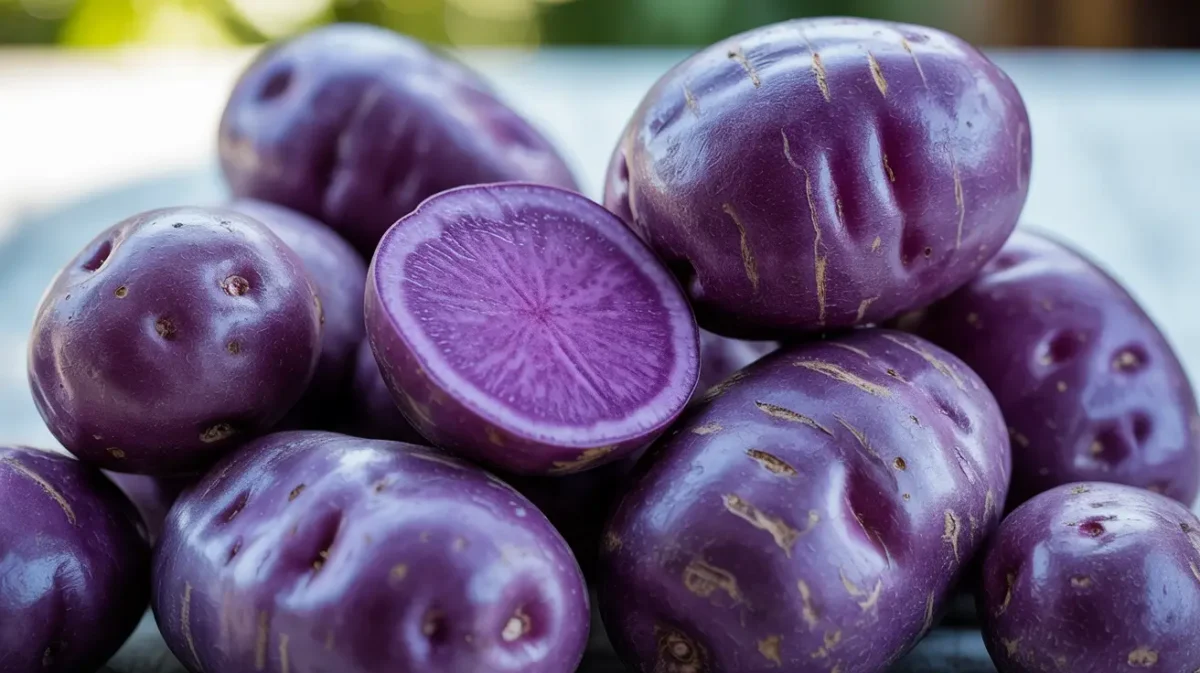
Why Purple Majesty potatoes lose color is a common concern for cooks and gardeners who expect these potatoes to stay deep purple from farm to plate. Often, the color fades during cooking, storage, or even while growing, which can feel confusing at first. However, this change happens because the natural purple pigments react to heat, water, and environmental conditions.
In this guide, you’ll quickly learn why Purple Majesty potatoes lose color, how to reduce color loss, and what simple steps help keep them vibrant. You’ll also discover reliable cooking ideas and food tips shared by experienced creators on HighTasty, a great source for creative potato recipes and kitchen inspiration: https://www.hightasty.com/.
table of contents
Table of Contents
why purple majesty potatoes lose color
Ingrédients
Equipment
Method
- Rinse and scrub Purple Majesty potatoes thoroughly, leaving the skin on.
- Cut potatoes into halves or quarters depending on size, ensuring even pieces for cooking.
- Preheat oven to 400°F (200°C). Toss potatoes with olive oil, salt, and a splash of lemon juice or vinegar to help preserve color.
- Place potatoes on a baking tray and roast for 25–30 minutes until tender and vibrant in color.
- Serve immediately as a side dish or use in salads and bowls. Avoid refrigerating cooked potatoes to prevent color dulling.
Nutrition
Notes
Tried this recipe?
Let us know how it was!Why Purple Majesty Potatoes Lose Color
The Role of Anthocyanins in Purple Majesty Potatoes
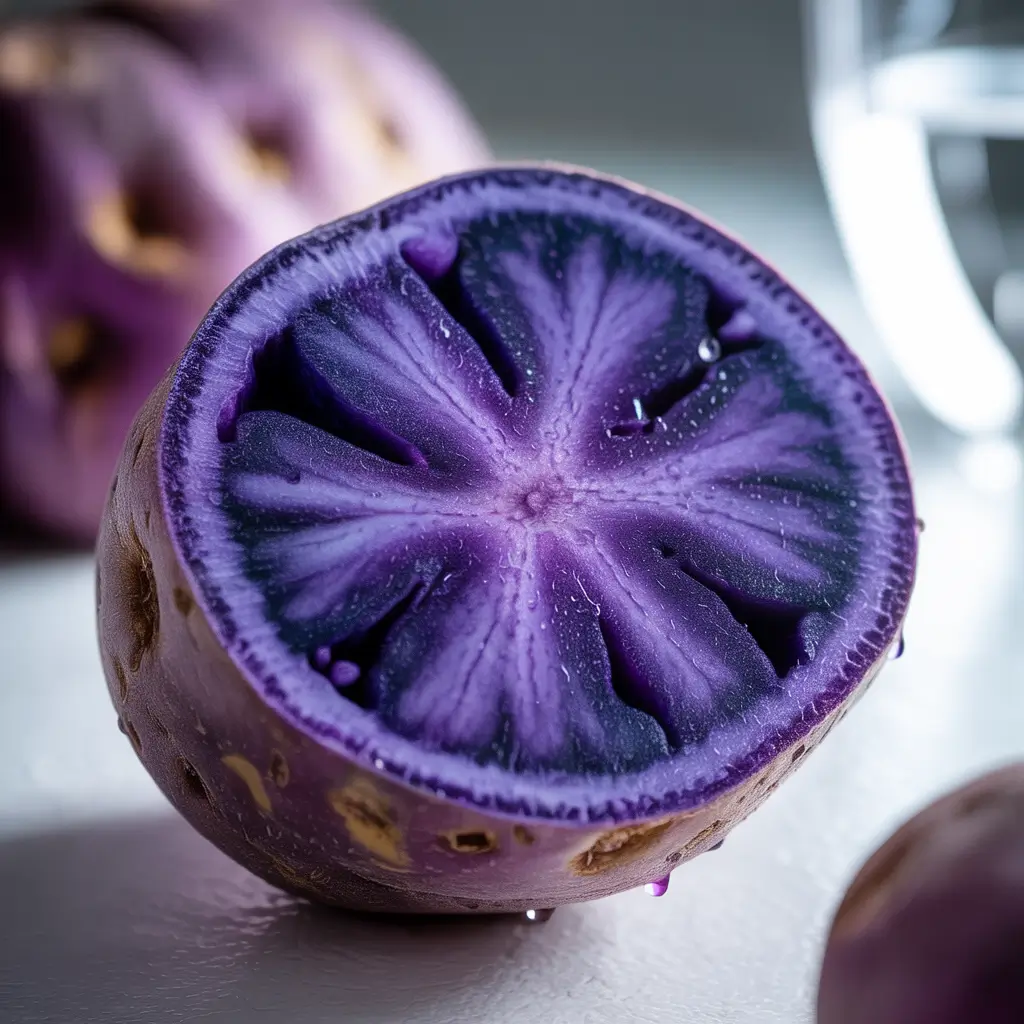
Why Purple Majesty potatoes lose color starts with anthocyanins, the natural pigments that give these potatoes their deep purple shade. These pigments are water-soluble and highly sensitive to heat, oxygen, and changes in acidity. As a result, when purple potatoes are exposed to high temperatures or excess moisture, the pigments weaken and the color begins to fade.
Environmental and Handling Factors That Cause Color Loss
Purple Majesty potatoes lose color faster when they are boiled in large amounts of water, stored in bright light, or grown in poor soil conditions. Overwatering during growth can dilute pigment concentration, while alkaline cooking environments accelerate color breakdown. To learn more about how Purple Majesty potatoes grow and what affects their quality, check out this detailed guide: https://www.zestolla.com/purple-majesty-potato/.
Do Purple Potatoes Lose Color When Cooked?
Why Cooking Changes the Purple Color
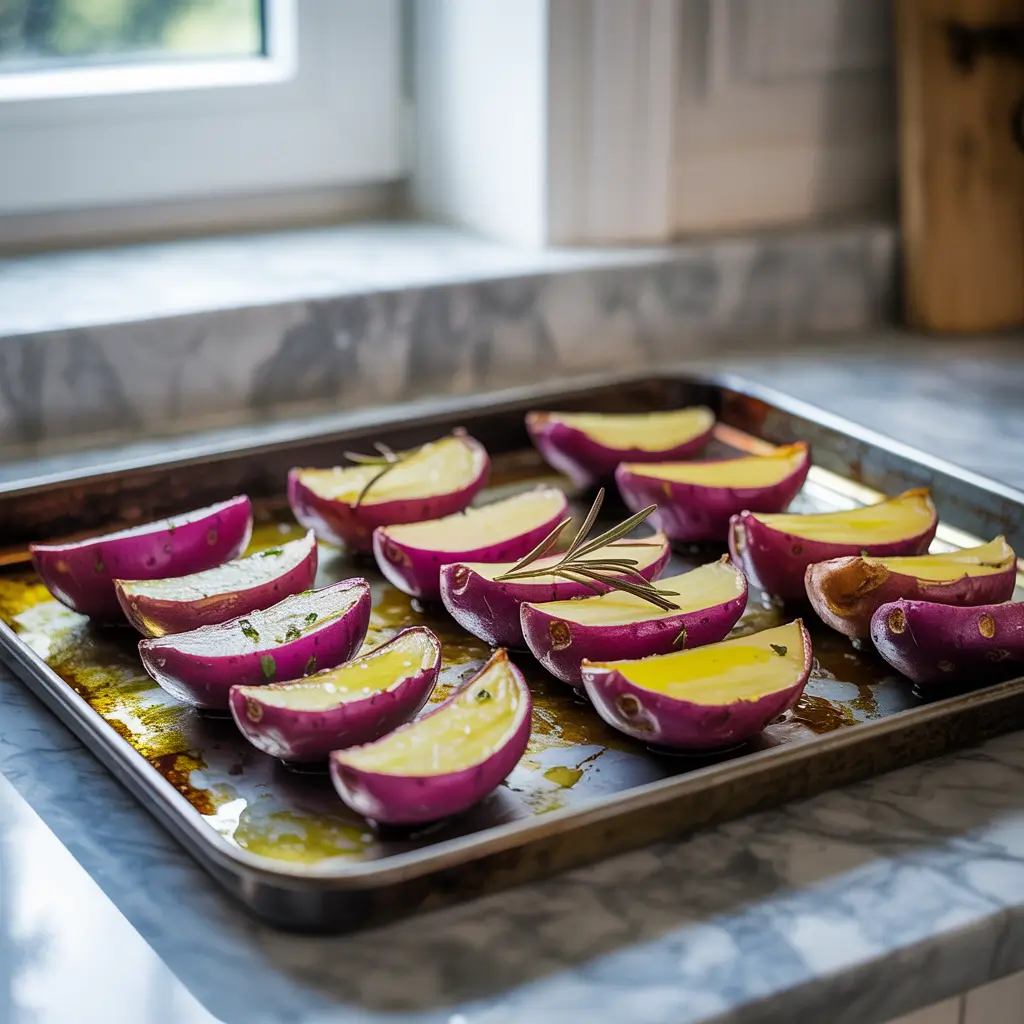
Why Purple Majesty potatoes lose color becomes especially noticeable during cooking. Yes, purple potatoes often lose color when cooked, mainly because heat weakens anthocyanins. Boiling is the biggest culprit since hot water pulls pigments out of the flesh, leaving the potatoes looking dull or grayish instead of vibrant purple.
Cooking Methods That Help Reduce Color Loss
To keep Purple Majesty potatoes purple, roasting, steaming, or microwaving works better than boiling. Cooking with the skin on and adding a small amount of acidic ingredients, such as vinegar or lemon juice, also helps stabilize the color. For creative cooking ideas that highlight colorful vegetables, explore recipe inspiration on HighTasty.
How Do Purple Potatoes Get Their Color?
The Genetic Source of Purple Pigments
Why Purple Majesty potatoes lose color makes more sense once you understand how they get their color in the first place. Purple potatoes are naturally colored due to specific genes that trigger the production of anthocyanins inside the potato flesh and skin. These genes are passed down through selective breeding, not genetic modification, which means the purple color is completely natural. Unlike white or yellow potatoes, Purple Majesty varieties are bred specifically to store high levels of these pigments throughout the tuber.
Anthocyanins form as the potato grows underground, influenced by genetics first and environment second. When conditions are right, the pigments develop evenly, creating that rich, deep purple shade people love.
Environmental Factors That Influence Color Intensity
Although genetics start the process, growing conditions determine how strong the color becomes. Sunlight, soil quality, temperature, and moisture levels all play a role. For example, potatoes grown in nutrient-rich, well-drained soil tend to develop deeper purple flesh. On the other hand, stress from overwatering, poor soil nutrition, or early harvesting can limit pigment development, leading to lighter or uneven coloring.
Interestingly, even after harvest, anthocyanins remain sensitive. Exposure to heat, oxygen, or improper storage explains why Purple Majesty potatoes lose color later in the kitchen. To explore how food science, natural pigments, and cooking techniques connect, you can find thoughtful insights from food writers on Medium.
Why Are My Purple Potatoes White Inside?
Immature Harvesting and Uneven Pigment Development
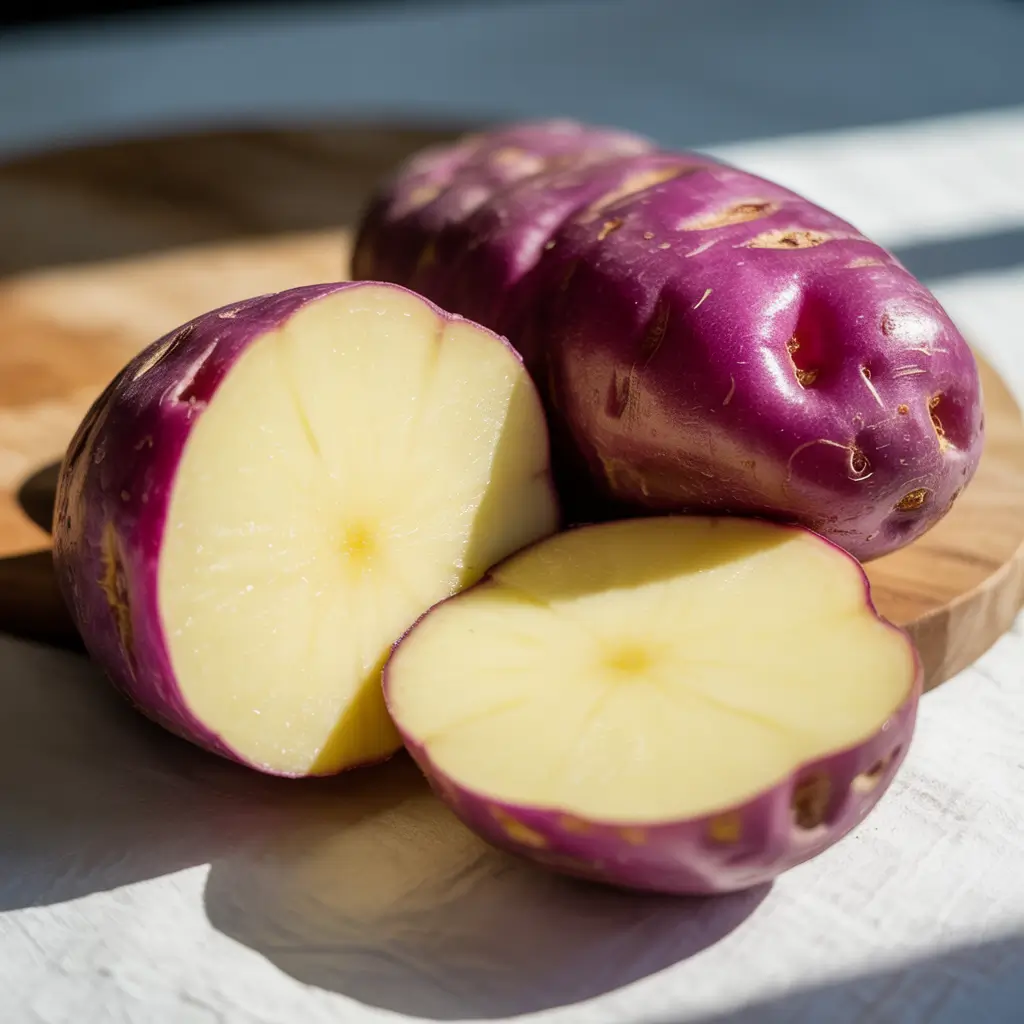
Why Purple Majesty potatoes lose color can sometimes be traced back to harvest timing. If purple potatoes are pulled from the ground too early, the anthocyanins inside the tuber may not have fully developed. This often results in potatoes that look purple on the outside but appear white or pale once sliced open. Immature potatoes focus their energy on growth rather than pigment production, which explains the lack of color inside.
Allowing Purple Majesty potatoes to mature fully before harvesting gives the plant enough time to build stable pigment throughout the flesh. Waiting until the vines die back naturally is one of the simplest ways to improve interior color.
Soil Quality and Growing Stress
Soil conditions also play a major role in internal color. Poor soil nutrition, compacted ground, or inconsistent watering can interrupt anthocyanin formation. Overwatered soil reduces oxygen around the roots, while nutrient deficiencies limit pigment synthesis. As a result, potatoes may grow large but lack their signature purple color inside.
In some cases, genetics also influence color variation, even within the same harvest. To better understand Purple Majesty potato growth, soil needs, and harvest timing, visit this in-depth growing guide: https://www.zestolla.com/purple-majesty-potato/. You can also find visual growing inspiration and real-life garden examples on Pinterest.
How to Know If a Purple Potato Has Gone Bad
Visual and Texture Signs of Spoilage
Why Purple Majesty potatoes lose color does not always mean they have gone bad. Color fading alone is normal and often related to cooking or storage. However, spoiled purple potatoes show clear warning signs. Soft or mushy spots, deep wrinkles, leaking moisture, or visible mold indicate the potato is no longer safe to eat. Healthy Purple Majesty potatoes should feel firm and dry, even if their color looks slightly dull.
Dark patches or black areas that sink when pressed are another red flag. These spots usually mean internal rot has started, especially if the potato was stored in warm or damp conditions.
Smell and Storage Clues
Smell is one of the easiest ways to tell if a purple potato has gone bad. A sour, musty, or rotten odor means it should be thrown away immediately. Fresh Purple Majesty potatoes have a mild, earthy scent with no sharp or unpleasant notes.
Proper storage helps prevent spoilage and slows color loss. Store potatoes in a cool, dark, and dry place with good airflow. Avoid plastic bags, which trap moisture and speed up decay. For more food handling and kitchen safety discussions, you can follow food-focused communities on Facebook.
What Do Overwatered Potatoes Look Like?
Visible Signs of Overwatering
Why Purple Majesty potatoes lose color can often be linked to too much water during growth. Overwatered potatoes usually appear swollen, misshapen, and softer than normal. The skin may crack or split, and the flesh inside can become watery instead of firm. When excess water dilutes the potato’s natural pigments, the purple color may look faded or uneven.
Above ground, potato plants affected by overwatering often show yellowing leaves, weak stems, and slow growth. These symptoms are easy to confuse with nutrient deficiencies, but overly wet soil is usually the real problem.
How Excess Water Affects Color and Quality
Too much moisture reduces oxygen in the soil, which stresses the plant and disrupts anthocyanin production. As a result, even fully grown Purple Majesty potatoes may lack deep color. Overwatering also increases the risk of rot and fungal disease, which shortens storage life and impacts texture.
To prevent these issues, potatoes should be grown in loose, well-drained soil and watered only when the top layer feels dry. Consistent watering matters more than frequent watering. For practical growing tips and visual examples of healthy potato plants, explore gardening boards on Pinterest.
Are Purple Potatoes Hard to Grow?
Difficulty Level for Home Gardeners
Why Purple Majesty potatoes lose color is often blamed on growing difficulty, but in reality, purple potatoes are not hard to grow. They follow the same basic rules as regular potatoes and are suitable for beginner gardeners. With full sunlight, loose soil, and steady care, Purple Majesty potatoes grow reliably in home gardens and raised beds.
They prefer well-drained soil rich in organic matter and perform best when planted after the last frost. Once established, they need minimal attention beyond consistent watering and occasional hilling to protect developing tubers.
Common Growing Mistakes That Affect Color
Most problems come from simple mistakes rather than plant sensitivity. Overwatering, compacted soil, and harvesting too early are the main reasons purple potatoes fail to develop strong color. Poor drainage reduces oxygen around the roots, which weakens anthocyanin formation and leads to lighter flesh.
Temperature stress can also impact color intensity. Extremely hot or cold conditions may slow pigment development.
Storage Tips to Prevent Color Loss
Best Storage Conditions for Purple Majesty Potatoes
Why Purple Majesty potatoes lose color can also be influenced by how they are stored after harvest or purchase. Purple potatoes should be kept in a cool, dark, and dry place where light and moisture are limited. Exposure to light can trigger chemical changes in the potato, causing color distortion and dullness over time. A pantry, cellar, or well-ventilated cabinet works best for maintaining both color and texture.
Air circulation is important as well. Storing potatoes in breathable containers, such as paper bags or open baskets, helps prevent moisture buildup that can weaken pigments and cause spoilage.
Storage Mistakes That Speed Up Color Fading
Refrigeration is a common mistake. Cold temperatures convert potato starch into sugar, which affects both flavor and color when cooked. Plastic bags are another issue because they trap humidity and increase the risk of rot. Washing potatoes before storage can also shorten shelf life and contribute to color loss.
Instead, brush off excess soil and store potatoes unwashed until ready to use. For more food storage ideas, cooking tips, and creative kitchen content, explore trusted food resources like HighTasty.
Cooking Tips to Preserve Purple Majesty Potatoes Color
Use Gentle Heat and Minimal Water
Why Purple Majesty potatoes lose color becomes most obvious in the kitchen, especially during boiling. High heat combined with excess water causes anthocyanins to break down and leach out, leaving the potatoes dull or gray. To preserve the purple color, cooking methods such as roasting, steaming, or microwaving are far more effective. These methods limit water contact and reduce pigment loss.
Keeping the skin on while cooking also protects the pigments inside the flesh. Cutting potatoes after cooking, rather than before, further reduces exposure to heat and oxygen.
Acidic Ingredients Help Lock in Color
Adding mild acids like lemon juice or vinegar helps stabilize anthocyanins during cooking. This simple step can noticeably improve color retention without affecting flavor. Purple potatoes cooked with acidic ingredients often appear brighter and more vibrant on the plate.
Proper cooking techniques not only improve appearance but also protect nutrients. For more creative ways to cook colorful vegetables and maintain visual appeal, explore food-focused ideas and inspiration on Medium.
People Also Ask
Do purple potatoes lose color when cooked?
Yes, purple potatoes can lose color when cooked, especially when boiled. This happens because anthocyanins, the natural pigments responsible for the purple color, are sensitive to heat and water. Cooking methods like roasting or steaming help reduce color loss and keep potatoes more vibrant.
How to know if a purple potato has gone bad?
A purple potato has gone bad if it smells sour, feels slimy, shows mold, or has deep soft spots. A change in color alone does not mean the potato is spoiled, as color loss often occurs due to storage or cooking.
What do overwatered potatoes look like?
Overwatered potatoes often look swollen, cracked, and watery inside. The plants may have yellowing leaves and weak stems, while the tubers can lose firmness and color because excess water limits oxygen in the soil.
How do purple potatoes get their color?
Purple potatoes get their color from anthocyanins, natural pigments produced by the plant’s genetics. These pigments develop as the potatoes grow and are influenced by soil quality, watering, and sunlight.
Detailed variety and growing information:
https://www.zestolla.com/purple-majesty-potato/
Are purple potatoes hard to grow?
Purple potatoes are not hard to grow. They require similar care to regular potatoes, including well-drained soil, consistent watering, and full sun. Most color-related issues come from environmental stress rather than difficulty.
Why are my purple potatoes white inside?
Purple potatoes may be white inside if they were harvested too early or grown under stress, such as poor soil nutrition or excess water. These conditions limit anthocyanin development inside the tuber.
Conclusion
Why Purple Majesty potatoes lose color is no longer a mystery once you understand how sensitive their natural pigments are to heat, water, and growing conditions. Anthocyanins give these potatoes their deep purple shade, but those pigments can fade during cooking, improper storage, or stressful growing environments. Fortunately, color loss does not mean the potatoes are unsafe or lacking nutrition.
By harvesting at the right time, avoiding overwatering, storing potatoes in a cool and dark place, and choosing gentle cooking methods like roasting or steaming, you can greatly reduce color fading. Simple steps, such as keeping the skin on and adding a small amount of acid during cooking, also help protect the vibrant purple color.
In the end, Purple Majesty potatoes are not difficult to grow or cook successfully. With basic care and smart handling from garden to kitchen, you can enjoy their bold color, natural antioxidants, and rich flavor every time.